Symptoms and Diagnosis
STD With Pimples: Which STDs Cause Pimple-Like Bumps?
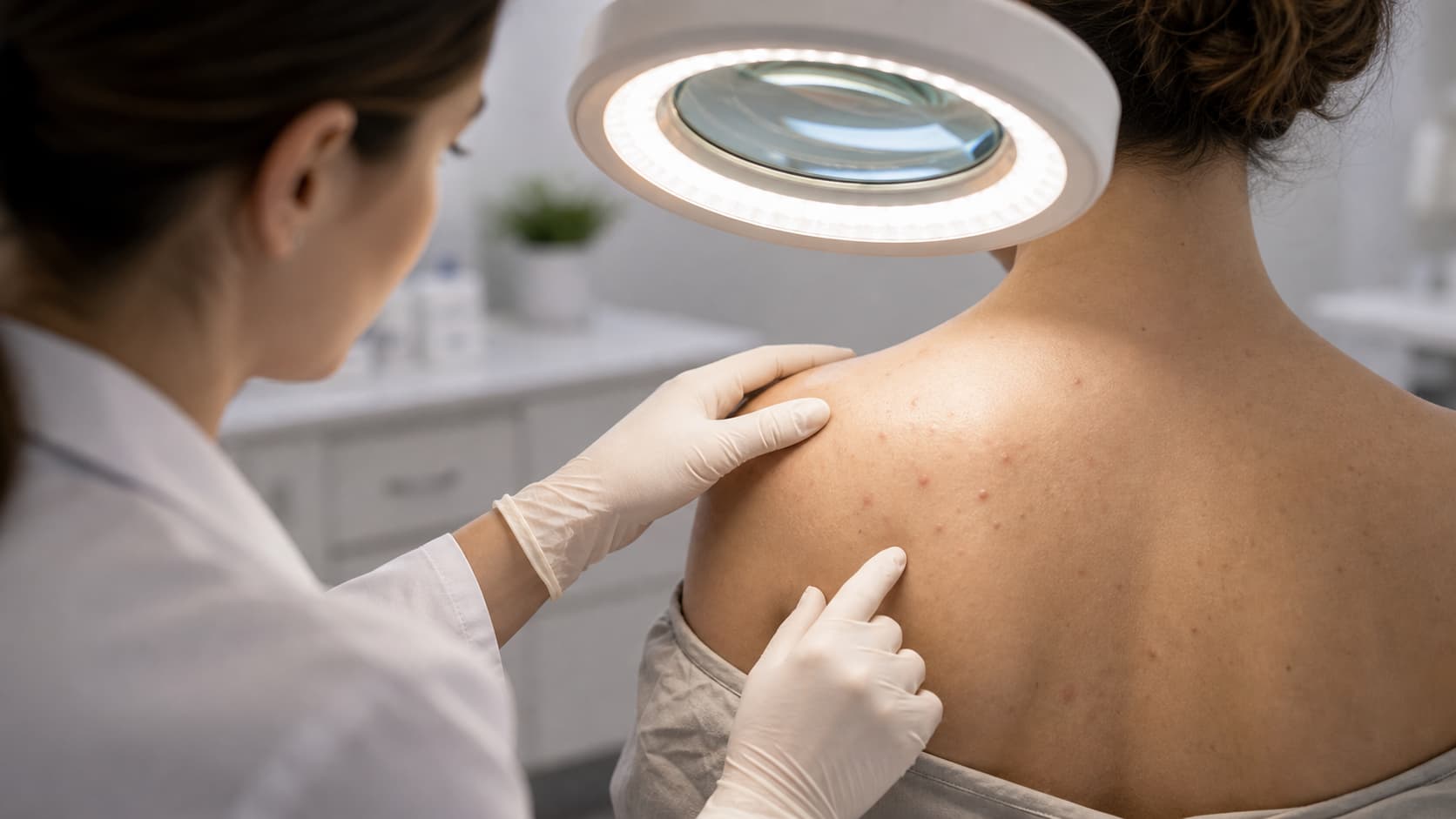
Several STDs cause skin bumps that are easily mistaken for pimples or acne — and distinguishing between them has real clinical consequences for both treatment and transmission. The STDs most likely to cause pimple-like bumps are syphilis (secondary stage papular rash and condylomata lata), herpes (clustered vesicles that evolve to ulcers), molluscum contagiosum (dome-shaped umbilicated papules), and HPV (cauliflower-like condylomata acuminata); none of these respond to acne treatments and all require specific STD testing for accurate diagnosis.
Why STD Bumps Are Mistaken for Pimples
The skin findings of several STDs fall into the broad visual category of "bumps" — raised, discolored lesions that patients first attribute to folliculitis, ingrown hairs, or acne. The clinical differentiation requires understanding where each infection appears, what the lesion looks like on close examination, and what the timeline was from potential exposure to appearance. A "pimple" that appears in the genital region 2 to 4 weeks after a new sexual partner, doesn't respond to acne treatment, doesn't have the typical comedone structure of acne, and is associated with any other symptoms (sore throat, rash elsewhere, fatigue) should be evaluated as a potential STD finding, not dismissed as acne.
Herpes: Vesicles That Look Like Pimples Initially
Herpes blisters often begin as small red papules that patients mistake for pimples in the day or two before they develop into characteristic vesicles. The distinction: herpes vesicles are fluid-filled, appear in clusters, occur in groups of 2 to 10 or more, and within 24 to 48 hours rupture to form shallow, painful ulcers with a gray-yellow base and red border. A pimple is comedone-based, contains sebaceous material (not clear fluid), and doesn't evolve into an ulcer. Location matters: genital herpes appears on the labia, vaginal introitus, shaft or glans of the penis, perianal area, buttocks, or thighs. A cluster of what appears to be small pimples in any of these locations after sexual exposure warrants immediate PCR swab testing rather than acne treatment. Herpes PCR from an active vesicle or early ulcer is highly sensitive and provides a definitive type-specific answer within 1 to 3 days.
Molluscum Contagiosum: The Classic Mistaken-for-Pimple STD
Molluscum contagiosum is caused by a poxvirus and produces pearly, dome-shaped papules with a characteristic central umbilication (small dimple or depression in the center). The central umbilication is pathognomonic — no other common skin condition produces this combination of dome shape with central depression. Molluscum lesions appear 2 to 7 weeks after exposure and can occur anywhere on the body, including the genitals, inner thighs, and pubic area when sexually transmitted. They're typically 2 to 5mm in diameter, flesh-colored to white or pink, and contain a cheesy white core. Many patients mistake them for pimples or cysts until the characteristic dome-and-dimple morphology is recognized. Molluscum is not diagnosed by STD blood tests or NAAT — it's a clinical diagnosis confirmed by the characteristic appearance, sometimes with skin biopsy if atypical. It resolves spontaneously in immunocompetent people within months to years but can be treated with cryotherapy, podophyllotoxin, or imiquimod.
HPV: Condylomata Acuminata
Human papillomavirus causes genital warts (condylomata acuminata) — which can appear as small, flesh-colored bumps early in development before they grow into the characteristic cauliflower-like clusters. Early HPV warts may look like skin tags or small bumps, and some patients initially attribute them to pimples or irritation. The characteristic morphology: soft, moist, flesh-colored, raised lesions with a rough or irregular surface, sometimes pedunculated (on a stalk). They appear on the external genitalia, perianal area, vaginal wall, cervix, urethral meatus, or oral cavity. HPV is not detected by blood tests — diagnosis is clinical, with biopsy for atypical lesions. Treatment options include cryotherapy, trichloroacetic acid, imiquimod, or podophyllotoxin.
Secondary Syphilis: The Papular Rash That Looks Like Acne
Secondary syphilis produces a maculopapular rash that can appear pimple-like on the trunk and extremities. The lesions are small, raised, pink-red papules that don't have comedone structure and are accompanied by the hallmark involvement of palms and soles. Condylomata lata — broad, flat, moist warty lesions in intertriginous areas (perianal, vulvar, between skin folds) — are a secondary syphilis finding often confused with HPV warts but are much flatter and moister. A papular rash appearing weeks after potential syphilis exposure, especially involving the palms and soles with fever, lymphadenopathy, and fatigue, should prompt immediate syphilis serology (RPR plus treponemal confirmatory testing).
When It's Actually Acne or a Non-STD Cause
Most genital bumps are not STDs. Common non-STD causes: Fordyce spots — small white-yellow sebaceous glands visible on the shaft of the penis or labia, benign and not sexually transmitted; folliculitis — infected hair follicles producing red, tender pustules, typically after shaving; ingrown hairs — curved red bumps in shaved areas, usually single and with a visible hair; sebaceous cysts — soft, mobile, non-tender cysts under the skin; contact dermatitis — red, itchy bumps from irritation by condoms, lubricants, soaps. The clinical distinction: STD lesions typically have a specific morphology (vesicles, umbilicated papules, condylomata), appear in a specific anatomical pattern, have a timeline linked to sexual exposure, and don't respond to acne or skin treatments.
For STD testing with results in 1 to 2 days, Health Test Express offers comprehensive panels without a GP referral.
When to Seek Evaluation
Get evaluated if: you have a new genital bump or cluster of bumps, especially if appearing 2 to 6 weeks after a new sexual exposure; you have a bump that isn't healing within 2 to 3 weeks; you have any bump with associated pain, discharge, fever, or systemic symptoms; you have a rash involving palms or soles (possible secondary syphilis — evaluate today). A PCR swab from any active genital lesion gives a definitive herpes result and doesn't require waiting for the antibody window period.
Frequently Asked Questions
How do I know if a genital bump is herpes or a pimple?
Herpes vesicles appear in clusters of multiple fluid-filled blisters, evolve to painful ulcers within 24 to 48 hours, and are accompanied by tingling or burning before the lesion appears. Pimples are single, comedone-based (blackhead or whitehead core), contain sebaceous material, don't become ulcers, and aren't accompanied by prodromal nerve symptoms. A PCR swab from any questionable genital lesion provides a definitive answer.
What does molluscum contagiosum look like vs a pimple?
Molluscum lesions are pearly, dome-shaped, and have a small central dimple (umbilication) — no other common skin condition combines these features. Pimples have a comedone core and no central dimple. Molluscum is painless; infected pimples are tender. Molluscum lesions don't express pus when squeezed (they express a waxy white core).
Can you have an STD with only bumps and no other symptoms?
Yes. Molluscum contagiosum and HPV warts are often entirely asymptomatic except for the visible lesions. Early herpes outbreaks can be mistaken for minor irritation without the full painful ulcer presentation. Secondary syphilis papular rash can be subtle. The presence of lesions alone, without pain or discharge, doesn't rule out an STD.
Related: Herpes or pimple? · Ingrown hair or herpes? · Acne vs herpes · First signs of herpes · Get tested today
This article is for informational purposes only and does not constitute medical advice.
Don’t Know What Could Be Causing Your Symptoms?
Get the complete STD test panel and take control of your health!


Dr. Michael Thompson is an expert in sexually transmitted diseases with extensive clinical and research experience. He leads campaigns advocating for early diagnosis and prevention of diseases like HIV and gonorrhea. He collaborates with local organizations to educate both youth and adults about sexual health.