Symptoms and Diagnosis
First Signs of Herpes: What to Look For
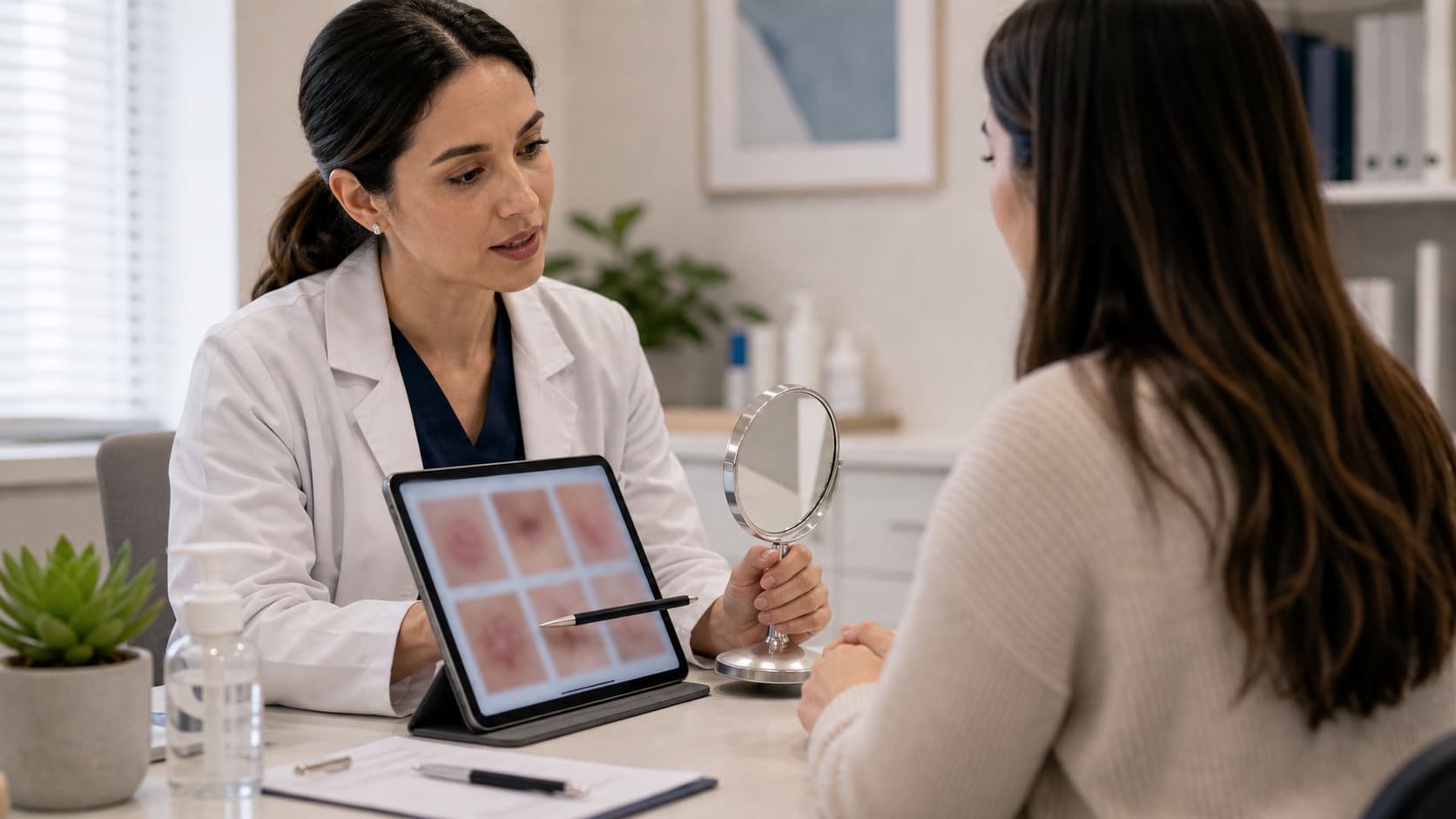
The first signs of herpes are often nothing like what people expect — and that's precisely why most people with herpes don't know they have it. Primary herpes infection typically begins with a prodrome of tingling, itching, or burning at the site 1 to 2 days before any visible lesion appears; the classic vesicular (blister) outbreak follows in 60 to 70% of primary infections; but in the majority of people, the first infection is mild, atypical, or entirely silent, and the first visible outbreak may not occur until months or years later.
The Prodrome: Before the Sore Appears
In people who do experience recognizable herpes symptoms, the first warning signs are neurological, not dermatological. The herpes simplex virus reactivates from sensory nerve ganglia and travels down the nerve axon to the skin before any visible lesion forms. During this axonal transit, the nerve itself is irritated, producing the characteristic prodrome: tingling, burning, or itching at the site where the outbreak will appear — typically 12 to 48 hours before the first visible lesion. This prodromal stage is one of the most infectious periods of herpes, because virus is present on the skin before the sore is visible. People who recognize their prodrome can use episodic antiviral therapy (valacyclovir 500mg twice daily) started at the first prodromal symptom to shorten and sometimes abort the outbreak entirely.
What Primary Genital Herpes Looks Like
Primary herpes — the first episode after initial infection — tends to be the most severe, because the immune system hasn't yet developed antibody defenses against the virus. In people with clearly symptomatic primary infection, the sequence is: prodrome (tingling/burning/itching) → redness and mild swelling → small clustered vesicles (fluid-filled blisters) → vesicles rupture → shallow ulcers with gray or yellow base and red border → crusting → healing over 2 to 4 weeks. The ulcers are typically painful, particularly in women, where genital lesions can cause severe dysuria (pain with urination) from urine contacting the raw ulcerated skin. Primary HSV-2 genital herpes is sometimes accompanied by systemic symptoms: fever, malaise, myalgia, and bilateral tender inguinal lymphadenopathy. These flu-like symptoms occur because the immune system is encountering a new pathogen systemically for the first time. This systemic component is much less common in recurrent episodes, which are more localized.
Atypical Presentations: Why Herpes Is So Often Missed
The classic clustered vesicles on a red base that people associate with herpes represent only one presentation, and not the most common one. Most herpes symptoms are atypical and easily attributed to other causes. Common atypical presentations include: a small single fissure or cut in the genital skin, mistaken for a razor nick or friction injury; mild redness or irritation without a distinct lesion, attributed to an allergic reaction; a small red papule (bump) without blistering, mistaken for an ingrown hair; vaginal discharge and irritation, attributed to yeast infection; rectal pain or discharge from herpes proctitis, attributed to hemorrhoids or nonspecific irritation. The reason herpes is so frequently unrecognized: the virus doesn't always produce the textbook picture. Atypical symptoms that don't match the mental image of "herpes" are dismissed, the episode resolves on its own as it always does, and the person has no idea they're infected.
How Soon After Exposure Do First Signs Appear
After initial HSV-2 exposure, the incubation period before any symptoms appear ranges from 2 to 12 days, with an average of approximately 4 days. However, this window applies only to people who develop recognizable primary infection. Many people have subclinical primary infection — the virus establishes neurological latency without producing a recognizable outbreak. In these cases, the "first signs" of herpes may not appear until a recurrence months or years later, triggered by immune suppression, illness, physical stress, or menstruation. This delayed first presentation is why people sometimes test positive for herpes despite having been in a monogamous relationship for years — the infection may have been acquired well before the current relationship, with the first recognized outbreak occurring later.
First Signs by Location
Genital HSV-2 (most common location): prodromal tingling followed by vesicles on the external genitalia — labia, vaginal introitus, clitoral hood in women; shaft, glans, foreskin in men; perianal area in both sexes for anal herpes. Oral HSV-1 (cold sores): tingling or tightness on or near the lip, followed by a cluster of small blisters on the lip border. This is the most recognizable form of herpes, so familiar that most people don't think of it as an STD. Herpes proctitis (from anal sex): rectal pain, discharge, constipation, and tenesmus (feeling of incomplete evacuation). Often misattributed to hemorrhoids or IBS. Herpes pharyngitis (from oral sex): severe sore throat with posterior pharyngeal vesicles and ulcers. Often indistinguishable from strep throat without testing.
How to Get a Definitive Diagnosis at First Signs
If you have active lesions or suspect a first herpes episode, get a PCR swab from the lesion immediately — don't wait for it to heal. HSV PCR from an active vesicle or ulcer is highly sensitive and produces a result within 1 to 3 days that definitively confirms herpes and identifies the type (HSV-1 or HSV-2). This is clinically important: HSV-1 genital herpes has a significantly lower recurrence rate than HSV-2, which changes the suppressive therapy decision. Herpes IgG blood testing during the first episode is often negative because antibodies take 6 to 16 weeks to develop. A negative blood test during a primary outbreak means nothing — the diagnosis should be based on the swab, not the serology.
For herpes PCR and type-specific IgG testing with results in 1 to 2 days, Health Test Express offers panels without a GP referral.
When to Seek Urgent Care
Seek same-day evaluation if: you have severe pain preventing urination (urinary retention from genital herpes is a recognized complication requiring catheterization); you have high fever with a first herpes outbreak (this can indicate a more severe primary episode requiring IV acyclovir); you have eye pain, redness, or vision changes alongside a herpes outbreak (herpes keratitis is an ocular emergency); you have neurological symptoms (severe headache, neck stiffness, confusion) with any herpes outbreak (possible herpes encephalitis or meningitis).
Frequently Asked Questions
What does the very beginning of a herpes outbreak feel like?
Before any visible lesion appears, most people experience a prodrome: a tingling, burning, or itching sensation at the site where the outbreak will develop. This typically lasts 12 to 48 hours. Some people describe it as a "nerve itch" or "buzzing" sensation in the skin. Not everyone notices or experiences the prodrome.
Can you have herpes without ever getting a blister?
Yes — the majority of herpes infections never produce classic blisters. Herpes can manifest as minor irritation, a small fissure, redness without a lesion, or no symptoms whatsoever. People with no recognized outbreak can still shed the virus and transmit it to partners.
How long does a first herpes outbreak last?
Primary outbreaks typically last 2 to 4 weeks from first symptoms to complete healing. This is significantly longer than recurrent outbreaks, which typically resolve in 5 to 10 days. Systemic symptoms (fever, malaise) are usually limited to the first 1 to 3 days of the primary episode.
Is the first herpes outbreak always the worst?
In people who have symptomatic primary infection, yes — the first episode is typically the most severe because immunity hasn't yet developed. Subsequent outbreaks are shorter and less severe, and in many people become infrequent or minimal over time. The exception: people who were previously exposed to HSV-1 and acquire HSV-2 may have milder primary genital herpes due to partial cross-immunity.
Related: Herpes symptoms HSV-2 · Herpes window period · HSV-1 vs HSV-2 · Herpes or pimple? · Get tested today
This article is for informational purposes only and does not constitute medical advice.
Herpes or Pimple?
Answer 7 quick questions about what you're seeing. This quiz helps you understand what the bump might be — it does not replace a medical diagnosis.
Question 1 of 7
Where exactly is the bump or cluster?
This quiz is for educational purposes only and is not a medical diagnosis. Only a laboratory test can confirm or rule out herpes. When in doubt, get tested.
Don’t Know What Could Be Causing Your Symptoms?
Get the complete STD test panel and take control of your health!


Dr. Michael Thompson is an expert in sexually transmitted diseases with extensive clinical and research experience. He leads campaigns advocating for early diagnosis and prevention of diseases like HIV and gonorrhea. He collaborates with local organizations to educate both youth and adults about sexual health.