Symptoms and Diagnosis
Herpes Symptoms HSV-2: What to Expect
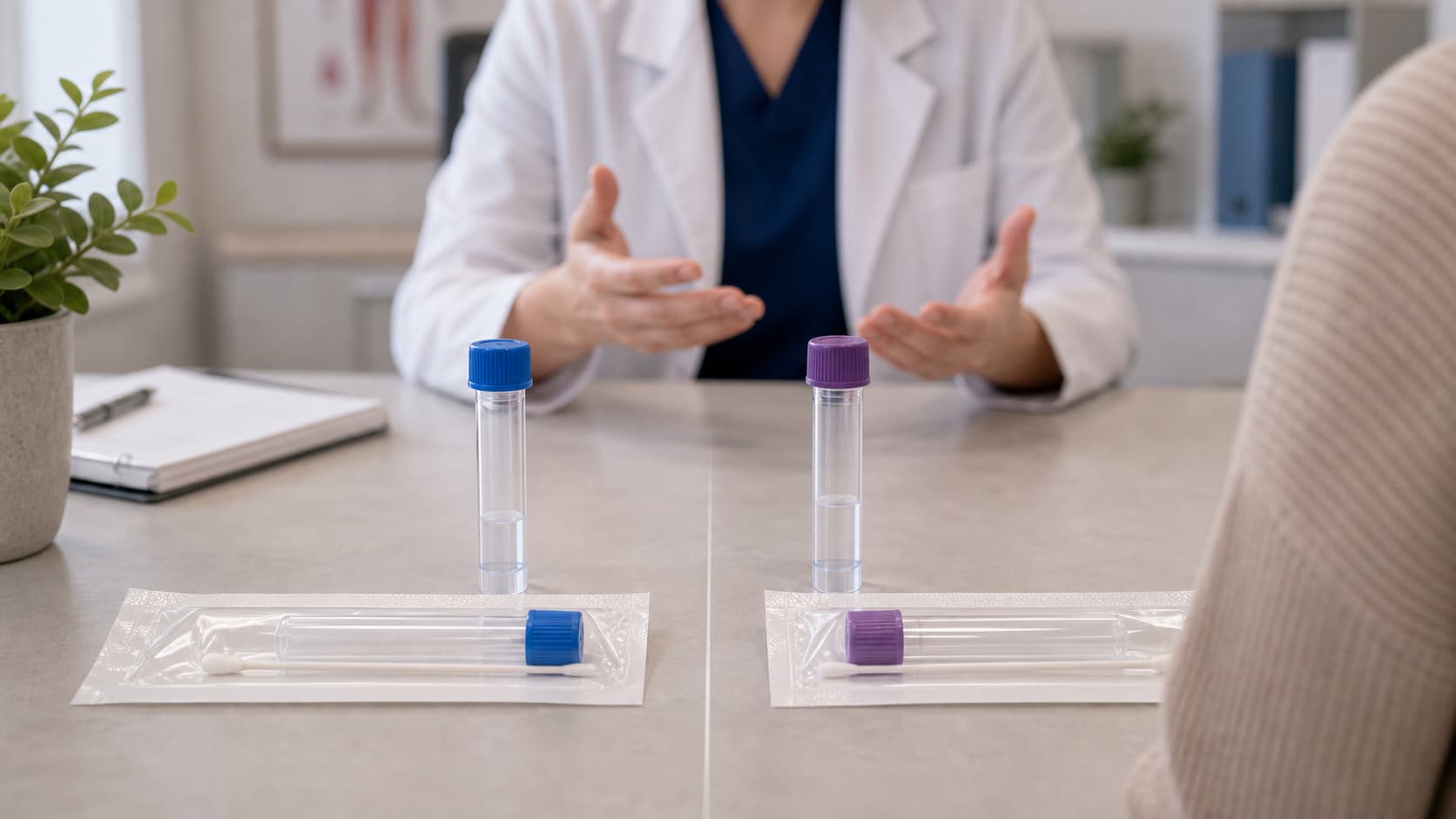
HSV-2 — the strain responsible for most genital herpes — produces symptoms that vary dramatically between individuals, and the majority of infected people never have a recognized outbreak at all. When HSV-2 symptoms do occur, the first outbreak is typically the most severe, appearing 2 to 12 days after exposure with painful blisters, flu-like illness, and sacral nerve pain; recurrence frequency decreases over years; and approximately 87% of people with HSV-2 are unaware they have it.
The First Outbreak: What to Expect
The primary (first) HSV-2 outbreak is typically the most severe episode a person will experience. It appears 2 to 12 days after initial exposure (median 4 to 6 days). The sequence of events:
Prodrome: tingling, itching, or burning in the genital area, inner thighs, or buttocks — 1 to 2 days before any visible lesion appears. This prodromal phase is clinically important: taking antiviral medication during prodrome (before blisters appear) substantially shortens the outbreak. Blisters: small clusters of fluid-filled vesicles appear on the genitals, buttocks, inner thighs, or perianal area. In women: on the labia, vaginal opening, cervix, or perianal region. In men: on the penis shaft, glans, scrotum, or perianal area. Ulceration: blisters break open to form painful, shallow ulcers that take 1 to 3 weeks to crust and heal in primary infection. Systemic symptoms: fever (often 38-39°C), fatigue, headache, myalgia, and swollen inguinal lymph nodes are common in primary HSV-2. Sacral nerve pain: lower back pain, buttock aching, and leg pain from sacral ganglia involvement are underappreciated primary HSV-2 symptoms — some patients present primarily with what they describe as sciatica. Urinary symptoms: pain with urination from lesions near the urethral opening; rarely urinary retention from sacral nerve involvement.
Recurrent Outbreaks: Milder and Shorter
After the primary outbreak, HSV-2 establishes latent infection in the sacral dorsal root ganglia. Recurrent outbreaks are triggered by stress, illness, friction, menstruation, sun exposure, or immunosuppression. The natural history of HSV-2 recurrences: Year 1: median approximately 4 recurrences; Years 2 to 5: declining frequency, with many patients experiencing 2 to 3 per year; Beyond 5 years: continued decline for most patients, though a minority continues with frequent outbreaks.
Recurrent outbreaks are shorter (3 to 7 days vs 1 to 3 weeks), less painful, and often limited to 1 to 3 small lesions rather than extensive ulceration. The prodrome — tingling or itching in the same location as previous outbreaks — reliably precedes each recurrence and is the signal to start episodic antiviral therapy.
Asymptomatic HSV-2: The Most Common Presentation
Approximately 87% of HSV-2-positive people have either no recognizable outbreaks or outbreaks so mild they attribute them to other causes (ingrown hair, razor burn, vaginal irritation). This is not because the virus is inactive — it sheds asymptomatically on 15 to 20% of days, making these individuals fully capable of transmitting to partners. The majority of new HSV-2 infections come from people who don't know they're infected.
I make a point of explaining this to every patient who tests HSV-2 positive and says "but I've never had an outbreak." Not having a recognized outbreak is the most common HSV-2 experience. It doesn't mean the infection has been inactive. It means it's been present without producing symptoms you recognized as herpes.
How to Manage HSV-2
Episodic therapy: valacyclovir 500mg twice daily for 3 days, started at the first sign of prodrome. Most effective when started in the tingling/itching phase before blisters appear. Suppressive therapy: valacyclovir 500mg once daily reduces outbreak frequency by 70 to 80%, reduces asymptomatic shedding by approximately 50%, and reduces partner transmission risk significantly. Recommended for people with frequent outbreaks (≥6 per year), for transmission reduction in serodiscordant couples, or for anyone who finds the psychological burden of outbreaks significant.
For type-specific HSV-2 IgG testing, Health Test Express offers panels with results in 1 to 2 days.
Frequently Asked Questions
How long does the first HSV-2 outbreak last?
The primary outbreak typically lasts 2 to 4 weeks from first symptom to full healing. Antiviral treatment started early (during prodrome or at blister onset) shortens duration by several days. Subsequent outbreaks typically last 3 to 7 days.
Can HSV-2 infect the mouth?
Yes, though it's uncommon. HSV-2 can infect oral mucosa through oral sex, but oral HSV-2 infections rarely recur because the oral mucosa is not the virus's neurologically preferred location. Most oral herpes is HSV-1, not HSV-2.
Do HSV-2 outbreaks get less frequent over time?
Yes, for most people. Recurrence frequency typically declines over the first 5 years as the immune system adapts. A minority of patients continues with frequent outbreaks, for whom daily suppressive therapy is appropriate.
Related: How is herpes spread? · Herpes window period · Living with herpes · Get tested today
This article is for informational purposes only and does not constitute medical advice.
Herpes or Pimple?
Answer 7 quick questions about what you're seeing. This quiz helps you understand what the bump might be — it does not replace a medical diagnosis.
Question 1 of 7
Where exactly is the bump or cluster?
This quiz is for educational purposes only and is not a medical diagnosis. Only a laboratory test can confirm or rule out herpes. When in doubt, get tested.
Don’t Know What Could Be Causing Your Symptoms?
Get the complete STD test panel and take control of your health!


Dr. Michael Thompson is an expert in sexually transmitted diseases with extensive clinical and research experience. He leads campaigns advocating for early diagnosis and prevention of diseases like HIV and gonorrhea. He collaborates with local organizations to educate both youth and adults about sexual health.