Prevention and Education
STD Testing Near Me: How to Find the Right Clinic
Finding STD testing locations near you is straightforward in most parts of the US. The question is which type of facility best fits your priorities around cost, speed, privacy, and comprehensiveness of panel.
Quick answer: Same-day STD testing with results within 24–48 hours is available at dedicated sexual health clinics in most major US cities. Free or reduced-cost testing is available at Planned Parenthood, community health centers, and local health department STD clinics. Home testing kits (Everlywell, LetsGetChecked, MyLAB Box) are available without a clinic visit. Find same-day testing near you: Los Angeles, Houston, Miami, New York City, Chicago, Seattle, Atlanta, Phoenix, Denver, and Washington DC.
Types of STD Testing Facilities
Dedicated sexual health clinics and private testing centres: These offer the fastest service — same-day appointments, comprehensive multi-infection panels, and results within 24–48 hours. Staff are trained specifically in sexual health, which means fewer awkward interactions and more accurate ordering based on your actual exposure history. This is the best option for anyone who wants a definitive answer quickly.
Planned Parenthood: Offers STD testing, treatment, and HIV testing across hundreds of US locations. Sliding scale fees based on income. Clinician-supervised care. Wait times vary by location and day.
Community health centres (FQHCs): Federally Qualified Health Centers offer STD testing on a sliding fee scale based on income, often with no minimum charge for uninsured patients. Use the HRSA Health Center Finder to locate the nearest FQHC.
Local health department STD clinics: Most county and city health departments operate dedicated STD clinics, often free for chlamydia, gonorrhea, HIV, and syphilis. These clinics also typically offer anonymous HIV testing and, in many states, HIV self-testing. Wait times are sometimes longer than private options.
Primary care physician: Can order STD tests, though the panel offered varies and results take 3–5 business days. May involve a co-pay or office visit charge in addition to lab fees.
Home testing kits: FDA-cleared kits for HIV, chlamydia, gonorrhea, syphilis, and hepatitis (depending on the brand) are available online (Everlywell, LetsGetChecked, MyLAB Box) and at pharmacies (CVS, Walgreens). You collect samples at home and mail them to a lab. Turnaround is typically 3–7 days. The main trade-off is the absence of in-person clinical support for positive results.
What to Look for When Choosing a Testing Location
For speed: private testing centres and dedicated sexual health clinics. For cost: health department clinics, Planned Parenthood, FQHCs. For comprehensive multi-site panels (including rectal and throat swabs): dedicated sexual health clinics are most reliable. For privacy: all sexual health clinic results are confidential; anonymous testing (not linked to your name) is available at many health department clinics and through home testing kits.
Frequently Asked Questions
Is STD testing covered by insurance?
Under the ACA, preventive STD screening — including chlamydia testing for sexually active women under 25 and HIV testing for all adults — is covered without cost-sharing by most insurance plans. Testing outside these parameters may involve a co-pay. Cash-pay rates at dedicated testing centres typically range $50–$200 for a comprehensive panel depending on location and what’s included.
Can I get tested anonymously?
Yes, at most health department STD clinics and through home testing kits. At private testing centres, results are confidential (not shared without your consent) but typically linked to your name or contact information. If anonymity is a priority, ask when booking.
Related: How to Find Affordable STD Testing · STD Testing: What You Need to Know · How to Prepare for Your First STD Test · Find a clinic near you →
Don’t Know What Could Be Causing Your Symptoms?
Get the complete STD test panel and take control of your health!

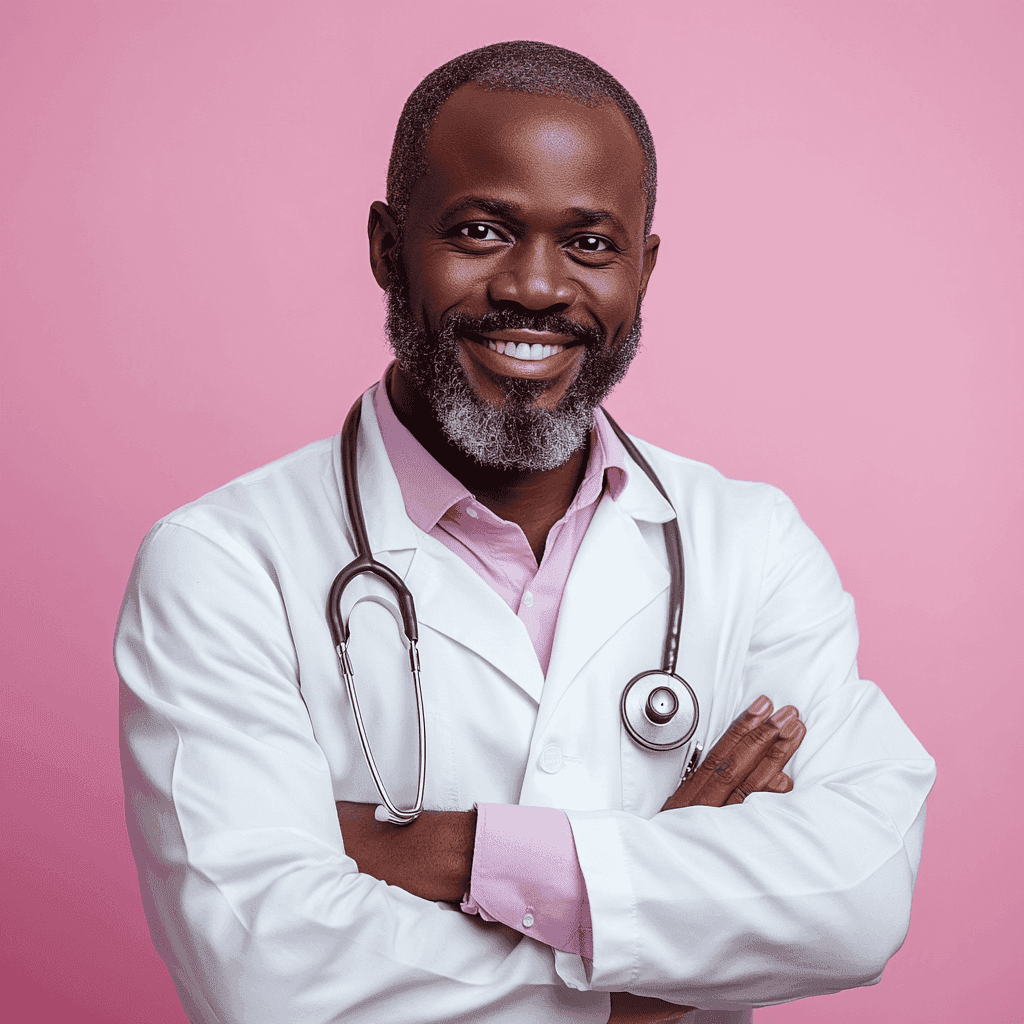
Dr. Michael Thompson is an expert in sexually transmitted diseases with extensive clinical and research experience. He leads campaigns advocating for early diagnosis and prevention of diseases like HIV and gonorrhea. He collaborates with local organizations to educate both youth and adults about sexual health.