Symptoms and Diagnosis
How Long Can Chlamydia Go Undetected?
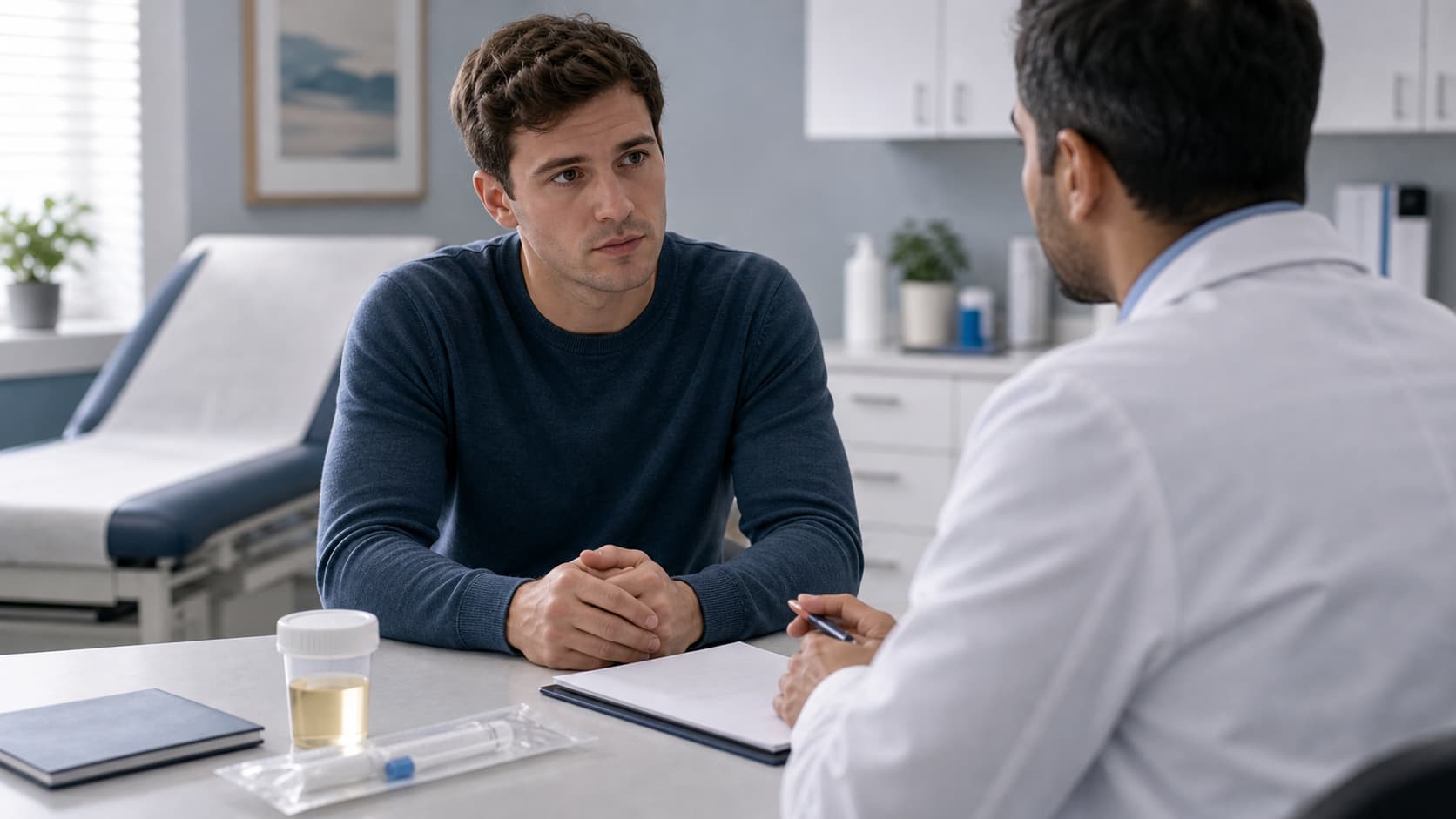
Chlamydia can go undetected indefinitely without testing. Studies following untreated chlamydia infections have documented persistence for 1 to 4 years in a significant proportion of cases; most people with chlamydia never develop symptoms that would prompt them to test; and during this entire period, the infection remains transmissible and causes progressive, silent damage.
How Long Studies Show Chlamydia Persists
Longitudinal studies tracking untreated chlamydia infections have produced striking findings. A key natural history study found that approximately 50% of untreated chlamydia infections resolved spontaneously within 12 months — but 50% persisted beyond a year. Of those, a substantial proportion remained detectable at 2 years and beyond. Individual case reports document chlamydia detected in patients who report no new sexual partners in several years.
Spontaneous clearance occurs in some cases but cannot be relied upon and is not safe to wait for. The immune system can suppress Chlamydia trachomatis below detectable levels temporarily, then the infection rebounds. Apparent clearance on a single test without treatment should be confirmed with a follow-up test because partial immune suppression can produce false negatives.
The Damage Timeline: What Happens During Undetected Infection
This is the clinical question that matters most: not just how long chlamydia can persist, but what it's doing during that time. The damage isn't waiting for symptoms to appear before starting.
Weeks to months of untreated infection: cervicitis and urethritis, increased HIV acquisition risk, asymptomatic transmission to every sexual partner. Months of untreated infection: ascending infection to the uterus and fallopian tubes in women (endometritis and early PID), sperm DNA fragmentation beginning in men. Months to years of untreated infection: fallopian tube scarring from recurrent or persistent PID, progressive reduction in tubal function, ectopic pregnancy risk rising. The CDC estimates 10 to 15% of women with untreated chlamydia develop PID, and of those with PID, approximately 8% after one episode and over 40% after three episodes experience infertility as a result.
Why Chlamydia Goes Undetected So Long
Approximately 95% of women and 50% of men with chlamydia have no symptoms. There is no pain, no discharge, no sign that prompts them to seek testing. The only way chlamydia is detected in these people is through routine scheduled testing — not because of symptoms.
The longest-undetected cases consistently follow a specific pattern: people in long-term relationships who assume monogamy means no testing is needed. Either person may have carried the infection from before the relationship began — potentially years before. Without routine testing at the start of the relationship or periodically afterward, chlamydia can persist for the entire relationship duration — years, sometimes over a decade — without detection.
I've diagnosed chlamydia in patients who were genuinely shocked — people in relationships of five or more years who had never been tested because they "didn't need to be." The infection doesn't respect the assumption of monogamy. It persists until treated, regardless of relationship status.
The Population-Level Gap
The CDC reports approximately 1.5 million diagnosed chlamydia cases annually in the US. Estimates of actual prevalence suggest approximately 4 million Americans have chlamydia at any given time. That 2.5 million person gap represents people currently carrying undetected chlamydia — unaware they have it, not seeking treatment, transmitting it to partners. This gap is entirely a function of testing frequency, not treatment efficacy. Chlamydia is 100% curable when found.
When to Test
Annual testing for all sexually active women under 25 is a CDC recommendation specifically because of chlamydia's asymptomatic nature. With each new partner. Before stopping condom use in a new relationship. Before attempting conception. After any unprotected sex with a partner of unknown status. The goal is to find the infection before months or years of subclinical damage accumulate.
For fast private chlamydia NAAT testing with results in 1 to 2 days, Health Test Express offers panels without a GP referral.
Frequently Asked Questions
Can chlamydia go away on its own without treatment?
In some cases, yes — approximately 50% of infections resolve within 12 months based on natural history data. But spontaneous clearance is unreliable, cannot be confirmed without testing, and does not undo damage already caused. Treatment with doxycycline is always the appropriate response to a confirmed positive.
Can you have chlamydia for 5 years without knowing?
Yes. There are documented cases of chlamydia persisting for multiple years in asymptomatic patients. During that time, it remains transmissible and continues to cause subclinical reproductive damage. Testing is the only way to rule it out.
Will I definitely be infertile if I had chlamydia for years?
Not necessarily. Severity of damage depends on whether ascending infection and PID developed, how many episodes occurred, and individual immune response. Many people with years of undetected chlamydia have no permanent damage. Others, particularly those who developed PID, may have significant tubal scarring. Assessment by a fertility specialist after treatment can evaluate current status.
Related: Can chlamydia be dormant? · Chlamydia window period · STDs and infertility · Get tested today
This article is for informational purposes only and does not constitute medical advice.
When Should You Get Tested?
Testing too early can give a false negative. Answer 4 questions and we'll tell you when each test becomes accurate.
Question 1 of 4
What type of exposure are you concerned about?
This tool provides general guidance based on CDC-recommended window periods. It is not medical advice. Consult a healthcare provider for personalized recommendations. If you're within 72 hours of HIV exposure, ask about PEP immediately.
Don’t Know What Could Be Causing Your Symptoms?
Get the complete STD test panel and take control of your health!


Dr. Michael Thompson is an expert in sexually transmitted diseases with extensive clinical and research experience. He leads campaigns advocating for early diagnosis and prevention of diseases like HIV and gonorrhea. He collaborates with local organizations to educate both youth and adults about sexual health.