Symptoms and Diagnosis
Herpes Around the Eyes: Recognizing Ocular Herpes Before It Threatens Your Vision
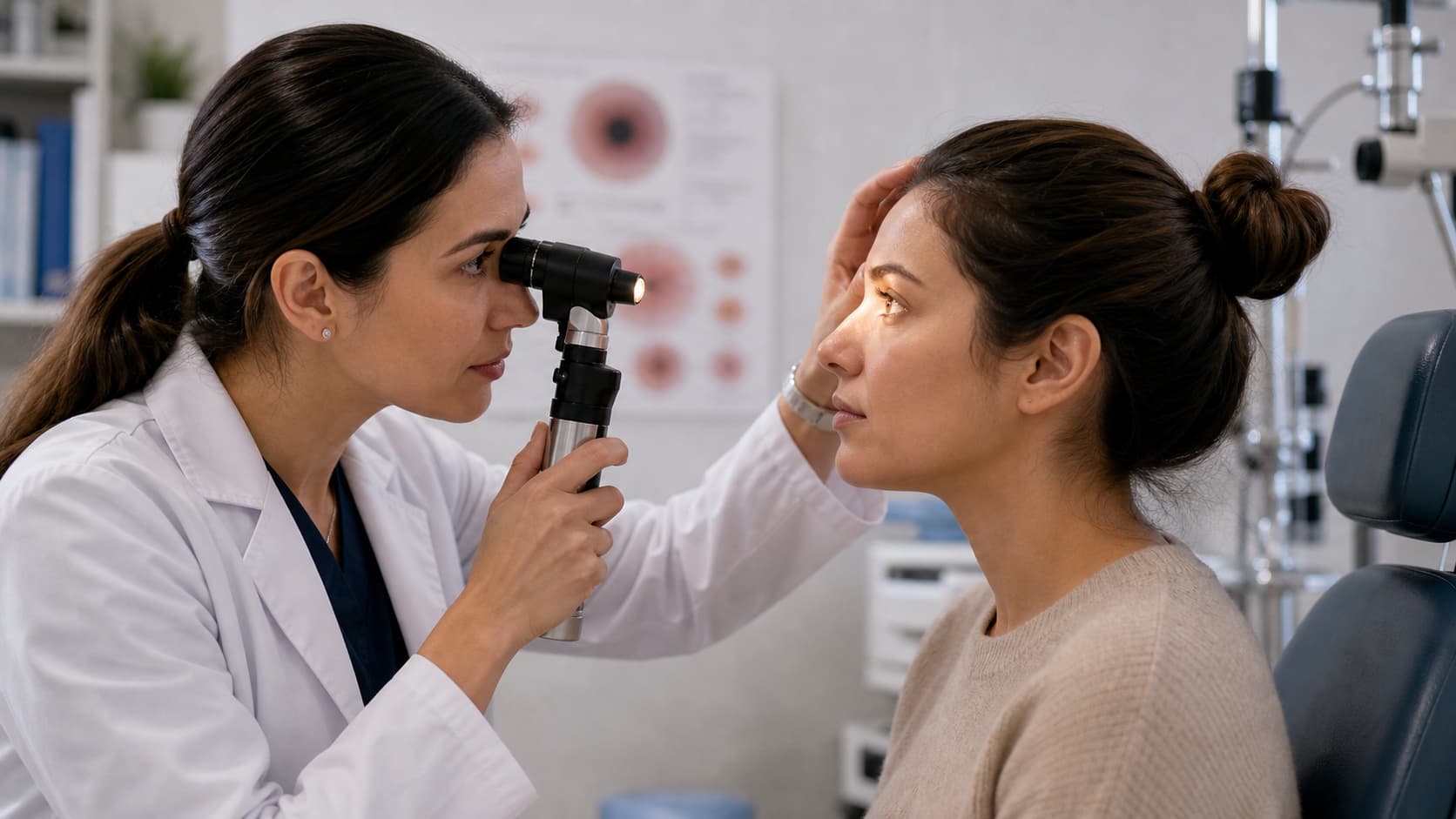
Herpes around the eyes — known medically as ocular herpes or herpetic eye disease — is a potentially vision-threatening condition caused by the herpes simplex virus. HSV keratitis, the most common form, affects the cornea and is a leading infectious cause of blindness in developed countries.
Of all the places herpes can appear, the eyes are the one location where I tell patients not to wait. Ocular herpes is a medical emergency in a way that a cold sore on the face simply is not.
What Is Ocular Herpes?
According to the National Eye Institute, approximately 50,000 new and recurring cases occur annually in the United States. Most cases are caused by HSV-1. Our complete herpes overview explains the virus types. The condition ranges from mild blepharitis to vision-threatening HSV keratitis and stromal keratitis.
Symptoms: How Ocular Herpes Differs from a Cold Sore
Periorbital cold sores behave like cold sores elsewhere. Understanding what herpes bumps look like at each stage helps recognize when a lesion approaches the danger zone. True ocular herpes presents with ciliary flush, unilateral eye pain, photophobia, blurred vision, tearing, and the hallmark dendritic ulcer visible with fluorescein staining.
How Does Herpes Reach the Eyes?
The most common route is autoinoculation. For a full breakdown of transmission routes, see our guide on how you get herpes. Recurrent ocular herpes occurs when the virus reactivates along the ophthalmic branch of the trigeminal nerve.
Diagnosis and Treatment
Treatment depends on which structures are involved. The landmark Herpetic Eye Disease Study (HEDS) demonstrated that oral acyclovir at 400 mg twice daily significantly decreased recurrent HSV keratitis. Stromal keratitis requires antiviral therapy plus carefully managed topical corticosteroids — steroid use without antiviral coverage can dramatically worsen the condition.
When to Seek Emergency Care
Go to an ophthalmologist immediately if you develop eye pain with blurred vision during a herpes outbreak, sudden light sensitivity, a white spot on the eye, or sores extending to the eyelid margin. Confidential STD testing is available nationwide.
Frequently Asked Questions
Can ocular herpes cause blindness?
Yes, if untreated. HSV keratitis is a leading infectious cause of corneal blindness. Severe cases may require corneal transplantation.
Is ocular herpes contagious?
The primary risk is autoinoculation. Understanding all the ways herpes spreads helps minimize risk.
Can I wear contacts with a history of ocular herpes?
During active episodes, contacts must be removed. Between episodes, most patients can resume wear after ophthalmologist clearance.
Can the HPV vaccine prevent ocular herpes?
No. The HPV vaccine protects against an entirely different virus. There is no commercial vaccine against HSV.
Don’t Know What Could Be Causing Your Symptoms?
Get the complete STD test panel and take control of your health!


Dr. Michael Thompson is an expert in sexually transmitted diseases with extensive clinical and research experience. He leads campaigns advocating for early diagnosis and prevention of diseases like HIV and gonorrhea. He collaborates with local organizations to educate both youth and adults about sexual health.