Myths and Facts
Can Amoxicillin Treat Gonorrhea?
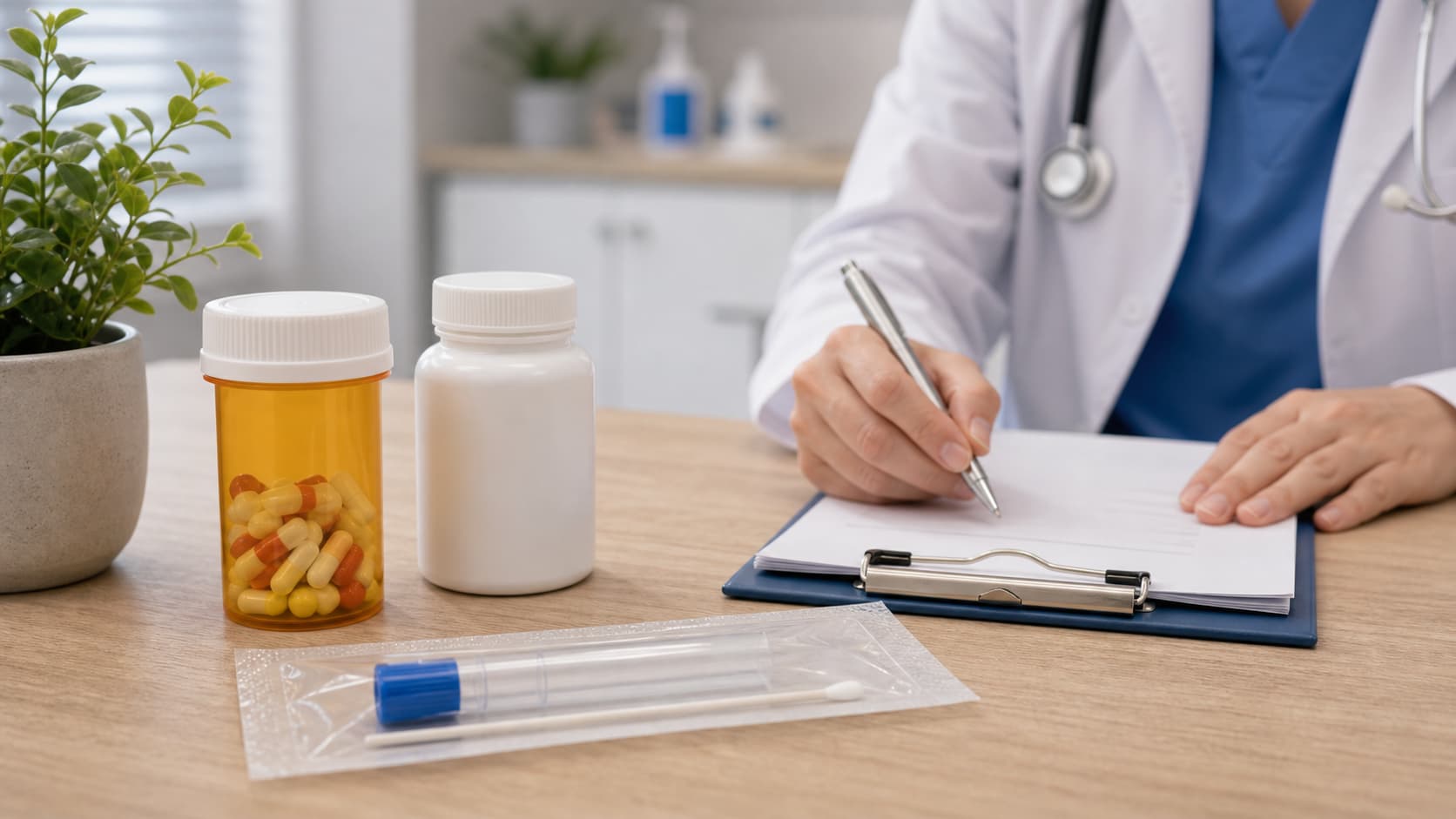
Amoxicillin does not treat gonorrhea and should not be used for this purpose. Gonorrhea is caused by Neisseria gonorrhoeae, which has developed widespread resistance to penicillin-class antibiotics including amoxicillin; the CDC-recommended treatment as of 2024 is ceftriaxone 500mg IM injection (single dose); and using amoxicillin for gonorrhea risks treatment failure, ongoing transmission, and contribution to further antibiotic resistance development.
Why Amoxicillin No Longer Works for Gonorrhea
Gonorrhea was successfully treated with penicillin for decades following its discovery. Beginning in the 1970s and accelerating through the 1980s and 1990s, Neisseria gonorrhoeae progressively acquired resistance to penicillin-class antibiotics through two mechanisms: chromosomally-mediated resistance (alterations in penicillin-binding proteins and reduced outer membrane permeability that decrease antibiotic penetration) and plasmid-mediated resistance via beta-lactamase production (the PPNG strains — penicillinase-producing N. gonorrhoeae — which actively destroy penicillin molecules before they can act). By the early 2000s, penicillin resistance was so widespread that the CDC removed all penicillin-class antibiotics from gonorrhea treatment guidelines. Amoxicillin, as a penicillin-class antibiotic, is subject to the same resistance mechanisms. It is not effective for gonorrhea treatment at any dose commonly used in clinical practice.
The Current Gonorrhea Treatment Standard
The 2021 CDC STI Treatment Guidelines (updated with 2024 modifications) specify: ceftriaxone 500mg IM injection as a single dose for uncomplicated gonorrhea at all sites (urogenital, rectal, pharyngeal) in patients under 150kg; ceftriaxone 1g IM injection for patients 150kg or over. Ceftriaxone is a third-generation cephalosporin — structurally related to penicillins (both are beta-lactam antibiotics) but with different binding characteristics that maintain activity against most current gonorrhea strains. If chlamydia co-infection has not been excluded: add doxycycline 100mg twice daily for 7 days or azithromycin 1g orally. Chlamydia and gonorrhea co-infection occurs in 20 to 40% of cases — treating both simultaneously is standard practice. The injection requirement is important: there is currently no reliable oral alternative to ceftriaxone injection for gonorrhea. Oral cephalosporins (cefixime) are no longer recommended due to declining sensitivity in pharyngeal gonorrhea — where antibiotic resistance develops most readily.
What Happens If You Take Amoxicillin for Gonorrhea
The most likely outcome of amoxicillin treatment for gonorrhea is treatment failure — the infection persists, continues to cause symptoms (or more commonly, remains asymptomatic), and continues to be transmissible. In some cases, amoxicillin exposure at sub-therapeutic levels may contribute to selection pressure, promoting resistance in the bacterial population even without full treatment failure. A person who takes leftover amoxicillin and feels temporarily better may have a placebo effect or concurrent resolution of co-infection (since amoxicillin has some activity against chlamydia, though not recommended as first-line). The gonorrhea itself is not cleared. This creates a dangerous false reassurance: the person believes they treated the infection, stops using condoms, and continues transmitting gonorrhea while believing they're clear.
Can Any Oral Antibiotic Treat Gonorrhea?
Current data does not support routine use of any oral antibiotic for gonorrhea, particularly pharyngeal infection. For uncomplicated urogenital gonorrhea only, some guidelines have examined gemifloxacin plus azithromycin as an oral regimen, but this is not widely adopted and not a CDC recommendation. Cefixime (oral cephalosporin) was used historically but is no longer recommended due to falling pharyngeal cure rates. The practical reality: gonorrhea treatment in 2024 and 2025 requires an injection at a clinic. There is no comparable at-home oral option that meets current standards.
Dual Therapy: Treating Gonorrhea and Chlamydia Together
Because chlamydia and gonorrhea co-infection is common, clinicians typically treat both simultaneously. The combination is: ceftriaxone 500mg IM (for gonorrhea) plus doxycycline 100mg twice daily for 7 days (for chlamydia). Note that amoxicillin is also not recommended as first-line treatment for chlamydia — doxycycline is significantly more effective. In pregnancy: azithromycin 1g is the alternative for chlamydia (doxycycline is contraindicated). Ceftriaxone remains the gonorrhea treatment of choice in pregnancy.
For gonorrhea NAAT testing to confirm diagnosis before treatment, Health Test Express offers private panels with results in 1 to 2 days.
When to Seek Evaluation Urgently
Go to a clinic or urgent care today if: you have confirmed gonorrhea exposure from a partner who tested positive — treatment should not wait for testing results in this scenario; you have urethral discharge, burning urination, or pelvic pain — these warrant same-day evaluation; you have been treated for gonorrhea in the past 3 months with anything other than ceftriaxone injection — treatment may have been inadequate. Go to the ER if: you have severe joint pain, fever, and skin pustules (possible disseminated gonococcal infection requiring IV antibiotics); severe pelvic pain with fever (possible complicated PID).
Frequently Asked Questions
Can amoxicillin cure gonorrhea?
No. Gonorrhea is resistant to amoxicillin and all penicillin-class antibiotics. Taking amoxicillin for gonorrhea will not clear the infection. The CDC-recommended treatment is ceftriaxone 500mg IM injection, which requires a clinic visit — there is no equivalent oral alternative currently recommended.
What antibiotic cures gonorrhea?
Ceftriaxone 500mg intramuscular injection is the current standard treatment for uncomplicated gonorrhea at all sites. It is given as a single dose at a clinic. If chlamydia co-infection is possible (which it usually is), doxycycline is added for 7 days.
Can I treat gonorrhea at home?
Not with current standard-of-care treatment, which requires an injection. Some telehealth services can order the injection at a nearby pharmacy or clinic. There is no reliable oral antibiotic regimen for gonorrhea that can be taken at home. Attempting to self-treat with leftover antibiotics risks treatment failure and ongoing transmission.
Will amoxicillin help with gonorrhea symptoms?
Possibly temporarily, but not by clearing the infection. If symptoms improve after taking amoxicillin, this is most likely coincidental (symptom resolution) or due to partial activity against a co-infection — not because the gonorrhea was treated. The infection persists and remains transmissible regardless of temporary symptom improvement.
Related: Will gonorrhea heal on its own? · How to test for gonorrhea · Gonorrhea symptoms · Will amoxicillin treat chlamydia? · Get tested today
This article is for informational purposes only and does not constitute medical advice.
Don’t Know What Could Be Causing Your Symptoms?
Get the complete STD test panel and take control of your health!


Dr. Michael Thompson is an expert in sexually transmitted diseases with extensive clinical and research experience. He leads campaigns advocating for early diagnosis and prevention of diseases like HIV and gonorrhea. He collaborates with local organizations to educate both youth and adults about sexual health.