Prevention and Education
Telemedicine for STD Care: What It Can and Can't Do
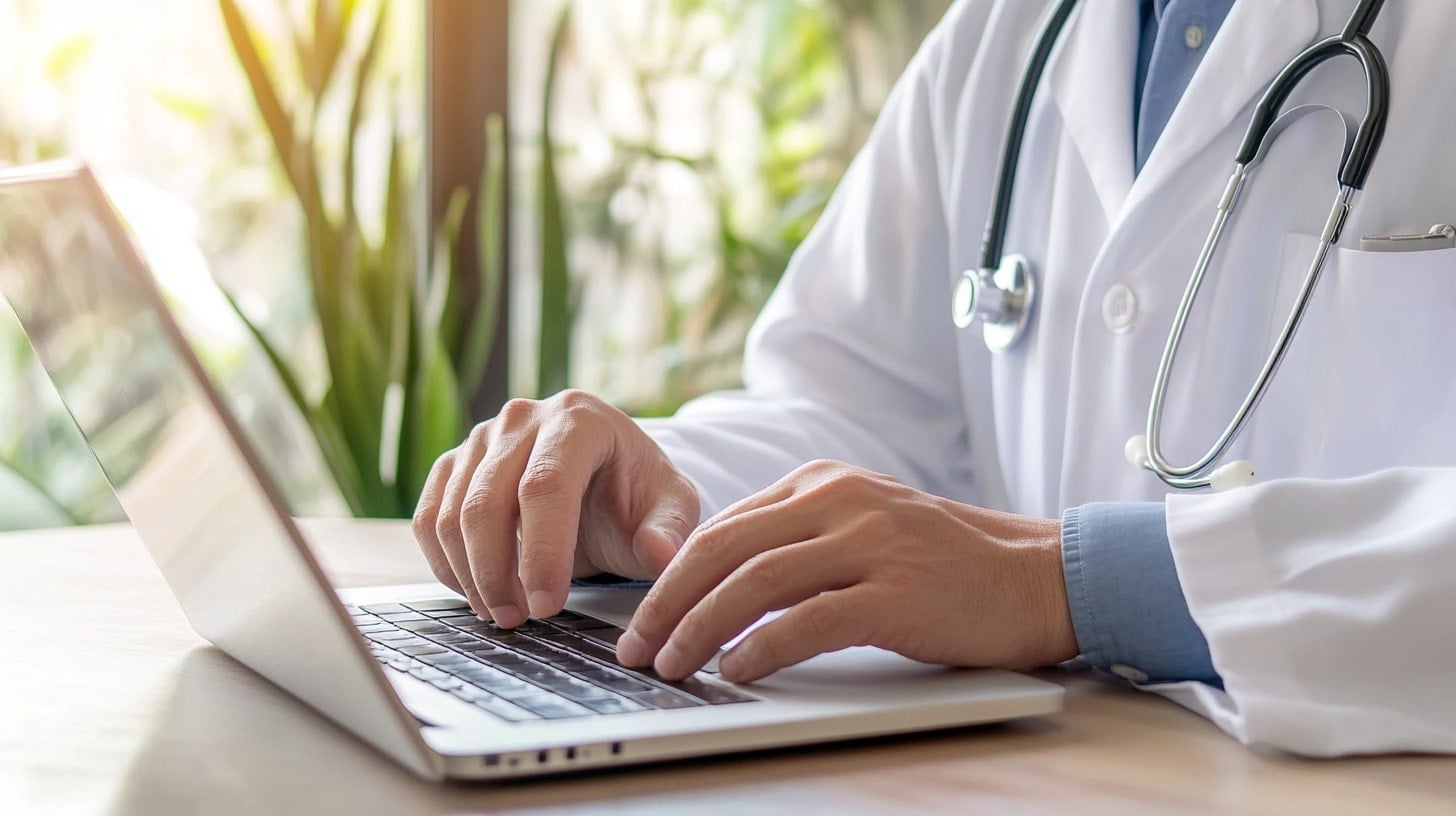
Telemedicine has meaningfully expanded access to STD care over the past few years — particularly for people in rural areas, people who can't take time off work for clinic appointments, and people who want to avoid the anxiety of in-person testing. It has real limitations too. Understanding both accurately helps you use it well.
Quick answer: Telehealth works for STD care in specific scenarios: prescribing PrEP or PEP, treating known bacterial infections with antibiotics, follow-up after a positive result, and ordering lab tests to be collected at a local draw site. It cannot replace physical examination, does not work for infections requiring swab collection by a clinician, and is not appropriate for urgent presentations. Same-day in-person testing is available in Houston, San Diego, Washington DC, Denver, and Atlanta.
What Telemedicine Can and Can't Do for STD Care
The honest answer to "can I manage my STD care online?" is: it depends on which part of care you need.
What telehealth does well: Ordering lab tests — a telehealth provider can send you to a local lab for blood draw or urine collection, with results delivered digitally. Prescribing PrEP — if you are HIV-negative and want pre-exposure prophylaxis, a telehealth appointment is a completely appropriate starting point. Prescribing treatment for known infections — if you have a confirmed chlamydia or gonorrhea result and need a prescription, this doesn't require an in-person visit in most cases. Follow-up appointments after diagnosis. Partner notification support and counseling.
What telehealth cannot do: Physical examination — if you have a visible sore, rash, or discharge that requires examination, a screen cannot provide what a clinician's physical assessment can. Rectal and throat swabs — these require in-person sample collection. Urgent presentations — pelvic pain, fever, severe symptoms that might indicate PID or disseminated infection require in-person evaluation and potentially IV treatment. PEP initiation in a genuinely urgent situation — the 72-hour window is better handled at an ER or urgent care where treatment can begin immediately.
Home Testing Kits vs. Telehealth: What's the Difference
These are often confused but are distinct things. Home testing kits — where you collect a sample at home (urine, blood via finger-prick, or self-administered swab) and mail it to a laboratory — are a direct-access testing service, not telehealth. The sample collection happens without a provider involvement. FDA-cleared home kits for chlamydia, gonorrhea, HIV, and syphilis are available from multiple companies and are accurate for the sites they test.
Telehealth STD care involves an actual appointment with a clinician via video or phone, who can order tests, prescribe treatment, and provide clinical guidance. The two are complementary: you might use a telehealth appointment to discuss results from a home test, or a telehealth provider might send a test order to a local lab for you to use.
How to Evaluate an Online STD Service
The quality of telehealth and online testing services varies significantly. Markers of a legitimate service: licensed clinicians who are actually reviewing results (not automated systems presenting results without clinical review), CLIA-certified laboratory partners, HIPAA-compliant data handling, clear pricing without hidden fees, and a process for handling positive results that includes clinical follow-up.
Red flags: services that deliver results without any clinician involvement, platforms that don't clearly identify their laboratory partners, services that push unnecessary add-on tests, and overseas-based services operating outside US regulatory frameworks.
If a service's main pitch is speed and anonymity without any mention of clinical oversight, that's a signal to look elsewhere. Legitimate services can offer both speed and clinical quality.
When Telehealth Is the Right Choice
In my clinical experience, the people who benefit most from telehealth STD care are: people in areas without convenient access to a dedicated sexual health clinic; people who want PrEP and don't have an established relationship with a provider; people managing a known chronic condition (herpes, HIV) who need routine prescription renewals; people who have a confirmed result and need treatment quickly without waiting for an in-person appointment; and people who find the barrier of in-person appointments sufficient to delay care they otherwise would get.
The last group is clinically significant. If telehealth is what makes someone actually get tested or treated, that is better than in-person care that never happens. Access beats perfection.
When to Go In Person Instead
Visible symptoms requiring examination: sores, discharge, rash, swelling — these need a clinician who can see them directly.
Anal or throat exposure requiring swabs: urine tests miss rectal and pharyngeal infections. These require in-person swab collection.
Pelvic pain, fever, or systemic symptoms: possible PID or disseminated infection — needs in-person evaluation and potentially IV antibiotics.
Possible HIV exposure in the last 72 hours: go to an ER. PEP needs to start as quickly as possible and requires in-person prescription and monitoring.
Pregnancy with STD symptoms or known exposure: in-person obstetric evaluation is appropriate.
Frequently Asked Questions
Can I get a prescription for chlamydia treatment online?
Yes. If you have a confirmed chlamydia test result, a telehealth provider can prescribe doxycycline or azithromycin without an in-person visit in most US states. The prescription is sent to a pharmacy of your choice. This is an appropriate and efficient use of telehealth.
Can I get PrEP through telehealth?
Yes. Several dedicated telehealth services specialise in PrEP prescribing, including Gilead's PrEP program and various independent services. You'll need baseline lab work (HIV test, kidney function, hepatitis B) which can be done at a local lab. Ongoing prescriptions require periodic lab monitoring which can also be ordered remotely and completed at a local draw site.
Is my data secure with online STD services?
Legitimate US-based services are required to comply with HIPAA, which establishes minimum standards for health information privacy. Before using any service, confirm that they explicitly state HIPAA compliance and have a clear privacy policy. Data practices vary — some services share de-identified data with partners, which may be acceptable, but this should be disclosed clearly.
Can telehealth treat herpes?
Yes for ongoing management. If you have a confirmed herpes diagnosis and need antiviral prescriptions (acyclovir, valacyclovir), telehealth is appropriate for prescription renewal and dosage discussion. A first-time herpes diagnosis ideally includes in-person examination to confirm the clinical picture, though some providers will prescribe based on a patient's description of symptoms in clear-cut cases.
What happens if I test positive through an online service?
Reputable services provide a physician consultation (phone or video) when a positive result is returned, at no additional cost. The clinician discusses the result, answers questions, and prescribes treatment or provides a referral for treatment if the infection requires in-person management. Partner notification support may also be available.
Related: STD Testing: What You Need to Know · How to Find Affordable STD Testing · How to Prepare for Your First STD Test · HIV Prevention and PrEP · Find a clinic near you →
Don’t Know What Could Be Causing Your Symptoms?
Get the complete STD test panel and take control of your health!


Dr. Michael Thompson is an expert in sexually transmitted diseases with extensive clinical and research experience. He leads campaigns advocating for early diagnosis and prevention of diseases like HIV and gonorrhea. He collaborates with local organizations to educate both youth and adults about sexual health.