Symptoms and Diagnosis
STD Symptoms Beyond the Genitals: What to Watch For
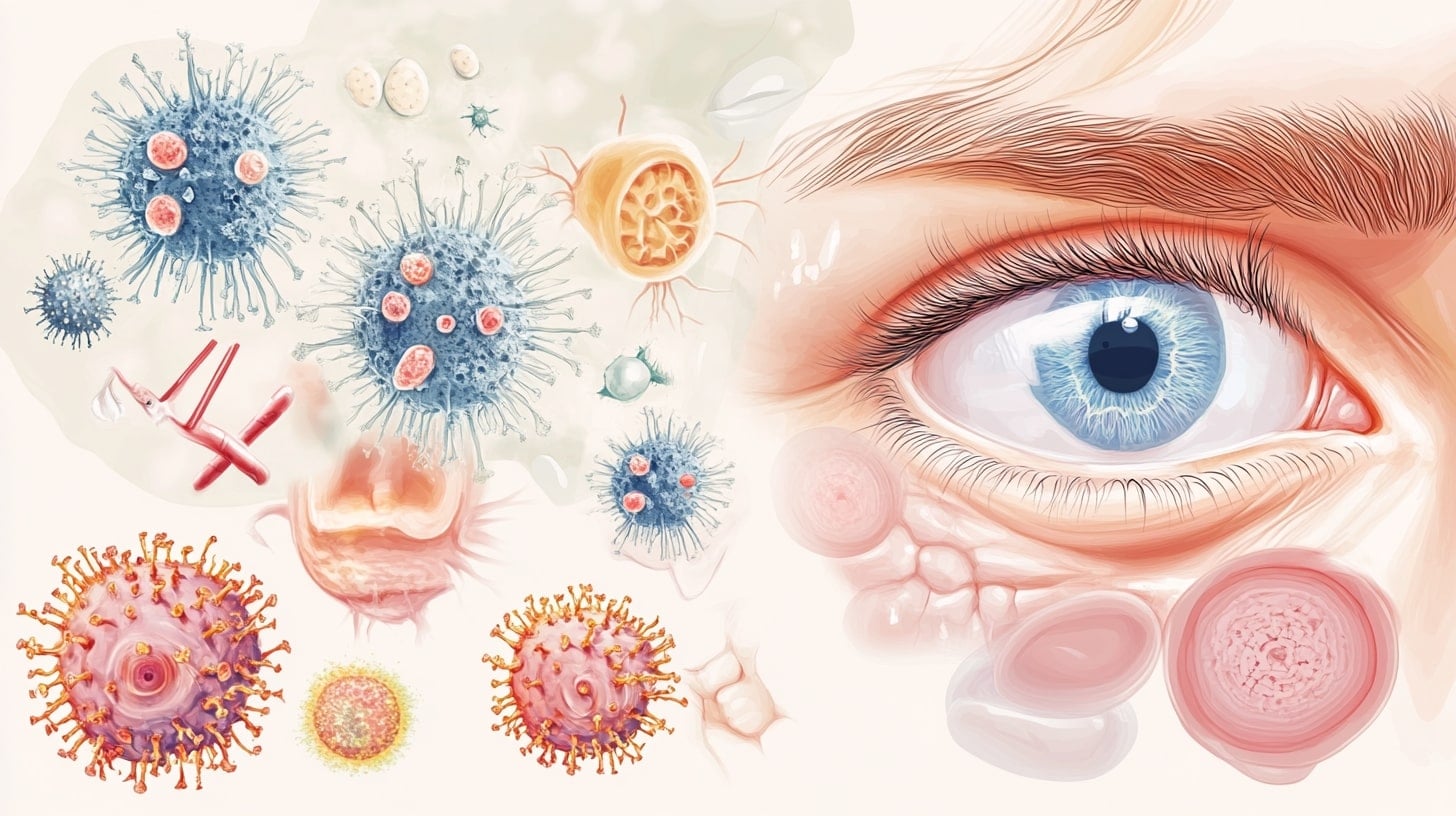
Most people associate STD symptoms with the genital area. This is clinically incomplete. Several common STDs can infect, and cause symptoms in, the mouth, throat, eyes, joints, skin, and nervous system. Missed non-genital STD presentations are a significant source of delayed diagnoses and ongoing transmission.
Quick answer: Gonorrhea and chlamydia routinely infect the throat (usually without symptoms) and eyes. Syphilis can cause systemic rash, oral sores, and in advanced stages, blindness and dementia. Herpes infects the mouth and lips as well as the genitals. Reactive arthritis from chlamydia or gonorrhea causes joint inflammation. HIV causes systemic flu-like illness in acute infection and opportunistic infections throughout the body in advanced disease. Testing should be site-specific based on your sexual practices. Same-day testing in Los Angeles, Houston, New York City, Atlanta, and Miami.
Throat and Mouth
Pharyngeal gonorrhea is among the most clinically significant non-genital STD presentations. It is asymptomatic in approximately 90% of cases. When symptoms occur, they are indistinguishable from strep throat: sore throat, mild redness, swollen tonsils. It requires a specific throat swab NAAT for detection — a urine test will miss it entirely. MSM and anyone who has given oral sex to an infected partner can develop pharyngeal gonorrhea, which can then be transmitted genitally to subsequent partners during oral sex. Routine throat swab screening is recommended for MSM at every STD check.
Pharyngeal chlamydia is less common and less efficiently transmitted than pharyngeal gonorrhea but does occur through oral sex. Almost always asymptomatic. Requires throat swab NAAT.
Oral syphilis: Primary syphilis can present as an oral chancre — a painless ulcer on the lips, tongue, or gums — when transmission occurred through oral contact. Secondary syphilis produces mucous patches in the mouth that are highly infectious and often misattributed to canker sores or viral stomatitis.
Oral herpes (HSV-1): Cold sores at the lip border are caused by HSV-1, which sheds asymptomatically and transmits through oral contact including oral sex. HSV-1 is now the leading cause of new genital herpes infections in young adults in many high-income countries, acquired through receiving oral sex from a partner with oral HSV-1.
Eyes
Ocular syphilis is a CDC-flagged emerging concern with documented outbreaks in multiple US cities. Syphilis can infect the eyes at any stage, causing uveitis, retinitis, and optic neuritis. Symptoms include eye pain, redness, light sensitivity, blurred vision, and floaters. Untreated ocular syphilis can cause permanent blindness. Any eye symptoms in the context of known or suspected syphilis warrant emergency ophthalmological evaluation.
Gonococcal conjunctivitis: Gonorrhea can infect the eye through direct contact — touching infected genital secretions and then touching the eye. This causes a profuse purulent (pus-producing) discharge, severe eye redness and swelling, and without immediate systemic antibiotic treatment, can perforate the cornea within days. Gonococcal conjunctivitis is a medical emergency.
Joints
Reactive arthritis is an inflammatory joint condition triggered by chlamydia (most commonly), gonorrhea, or other urogenital bacterial infections. The immune response to the bacterial infection cross-reacts with joint tissue, causing inflammation of the knees, ankles, and feet typically 1–4 weeks after the triggering infection. It is often asymptomatic from the STD perspective — the joint pain may be the first sign the person was ever infected. HLA-B27 positive individuals are at higher risk of chronic reactive arthritis.
Disseminated gonococcal infection (DGI): In 0.5–3% of gonorrhea cases, the bacteria enters the bloodstream and travels to joints and tendons, causing septic arthritis. Acute joint pain, swelling, and a characteristic pustular skin rash distinguish DGI from reactive arthritis. DGI requires IV antibiotics and is a medical emergency.
Skin
Secondary syphilis rash: The characteristic rash of secondary syphilis appears 2–8 weeks after the primary chancre heals. It classically involves the palms of the hands and soles of the feet — a pattern that is almost unique to syphilis and should trigger immediate testing. It may also affect the trunk, face, and limbs, and can look like many other conditions (drug rash, eczema, pityriasis rosea), leading to frequent misdiagnosis.
HIV-associated rash: Acute retroviral syndrome following initial HIV infection commonly includes a diffuse erythematous rash, typically on the trunk, alongside fever, sore throat, and lymphadenopathy, 2–4 weeks after exposure. This presentation is frequently attributed to a viral illness and the HIV connection missed.
Nervous System
Neurosyphilis: Untreated syphilis can invade the central nervous system at any stage. Neurosyphilis causes meningitis, stroke, personality change, memory loss, and dementia that can be mistaken for Alzheimer's disease or psychiatric illness. It requires intravenous penicillin and neurological management. Rare in people with access to treatment, but cases still occur.
When to Seek Urgent Care
Eye pain, redness, or vision change in anyone with possible syphilis exposure: emergency evaluation — same day.
Profuse eye discharge with severe swelling: possible gonococcal conjunctivitis — emergency evaluation.
Rapid-onset joint pain with skin pustules and fever: possible DGI — go to the ER immediately.
Neurological symptoms (headache, confusion, vision change) in someone with untreated syphilis: emergency evaluation for neurosyphilis.
Frequently Asked Questions
Can you get gonorrhea in your throat from oral sex?
Yes. Pharyngeal gonorrhea from performing oral sex is common, particularly in MSM, and is asymptomatic in approximately 90% of cases. It requires a specific throat swab for detection and is not identified by a urine STD test. If you give oral sex regularly, ask for a throat swab when you test.
What does a syphilis rash look like?
The secondary syphilis rash is typically rough, reddish-brown spots on the palms and soles — this combination is highly characteristic. It may also affect the trunk and limbs and can look like other rashes. It doesn’t itch, which distinguishes it from many common rashes. Any rash with this distribution should prompt syphilis testing.
Related: STDs and Vision · STDs and Joints · STDs from Oral Sex · Signs of Common STDs · Get tested today →
Should I Get Tested for STDs?
A quick risk check based on CDC guidelines. Answer 7 questions — no signup, fully anonymous.
Question 1 of 7
When was your last STD test?
This quiz is based on general CDC screening guidelines and is for educational purposes only. It is not a medical assessment. Only a healthcare provider can recommend specific testing.
Don’t Know What Could Be Causing Your Symptoms?
Get the complete STD test panel and take control of your health!


Dr. Michael Thompson is an expert in sexually transmitted diseases with extensive clinical and research experience. He leads campaigns advocating for early diagnosis and prevention of diseases like HIV and gonorrhea. He collaborates with local organizations to educate both youth and adults about sexual health.