Treatment and Therapy
Positive STD Test: What to Do Next (Step-by-Step Guide)
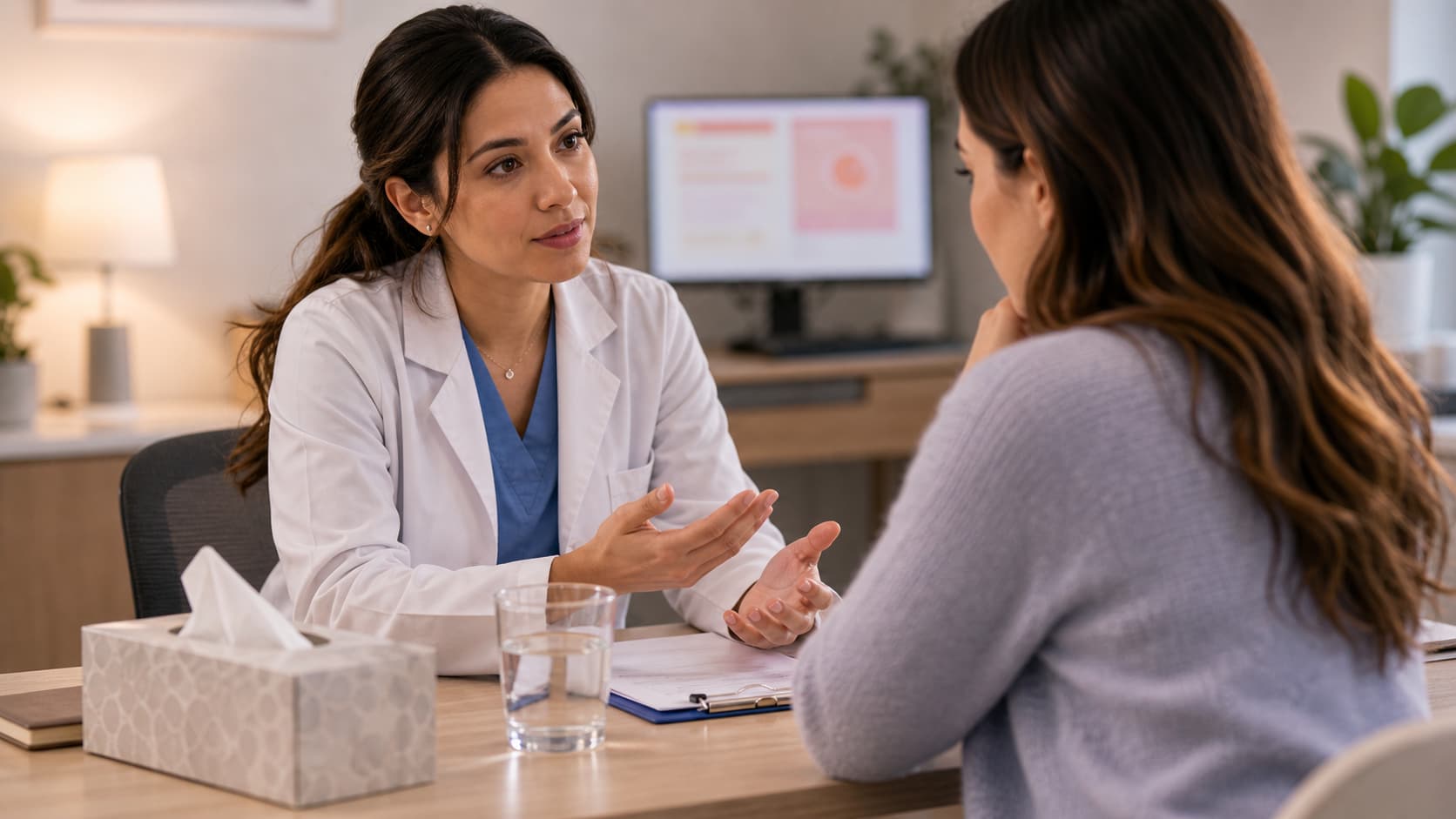
A positive STD test result requires a specific sequence of actions — and the appropriate response depends on which infection was detected. The immediate priorities after a positive STD test are: confirm the result is accurate and understand what it means; start treatment promptly for bacterial infections (chlamydia, gonorrhea, syphilis, trichomoniasis); notify recent sexual partners; retest after treatment to confirm clearance; and for viral infections (HIV, herpes, hepatitis), connect with ongoing management.
Step 1: Confirm and Understand the Result
Not all positive results are equal. A positive NAAT for chlamydia or gonorrhea is highly reliable (specificity over 99%) and almost always represents genuine infection. A reactive RPR for syphilis requires confirmatory treponemal testing before a diagnosis is made. A herpes IgG between 1.1 and 3.5 may be a false positive and warrants confirmatory testing (see the article on false positive STD tests). A reactive rapid HIV test requires confirmation with a 4th generation lab test. Ask your provider: what exactly was detected, how confident are they in the result, and is any confirmatory testing needed?
Step 2: Treat Promptly
Bacterial STDs (chlamydia, gonorrhea, syphilis, trichomoniasis): these are curable with antibiotics. Treatment should begin as soon as possible after a confirmed result — there is no benefit to waiting. Chlamydia: doxycycline 100mg twice daily for 7 days. Gonorrhea: ceftriaxone 500mg IM injection (done at a clinic — no oral alternative is reliably effective). Syphilis: benzathine penicillin G injection (stage-dependent dosing). Trichomoniasis: metronidazole 500mg twice daily for 7 days. Viral STDs (herpes, HIV, hepatitis): these are not curable but are manageable. Herpes: daily suppressive valacyclovir reduces outbreaks and transmission risk. HIV: start ART as soon as possible — early ART initiation leads to better long-term outcomes and prevents transmission (U=U). Hepatitis B and C: specialist referral for antiviral management. A positive result for a viral STD is not a medical emergency — but connecting with management promptly is important.
Step 3: Partner Notification
All recent sexual partners need to know about potential exposure so they can test and, if needed, treat. The CDC recommends notifying partners from the following periods: chlamydia and gonorrhea: partners from the past 60 days (or last partner if longer). Syphilis primary: partners from the past 3 months. Syphilis secondary: partners from the past 6 months. Syphilis early latent: partners from the past year. HIV: all partners where transmission may have occurred. You can notify partners personally, ask your clinic to do it anonymously, or use online partner notification services (many state health departments offer these). Expedited partner therapy (EPT) allows treating partners without requiring them to visit a clinic — particularly useful for chlamydia and gonorrhea.
Step 4: Avoid Sex Until Cleared
For bacterial STDs: no sexual contact for 7 days after completing treatment, and until all partners have also been treated. Having sex before both partners are treated guarantees reinfection. For herpes: avoid sex during active outbreaks and for 7 days after lesions heal. Consider daily suppressive therapy to reduce asymptomatic shedding between outbreaks. For HIV: disclose status to partners; U=U (Undetectable = Untransmittable) means that with ART and an undetectable viral load, HIV cannot be sexually transmitted.
Step 5: Retest After Treatment
Bacterial infections: retest at 3 months (not to confirm treatment success, but to detect reinfection — which occurs in approximately 20% of treated patients). Gonorrhea: test of cure (repeat NAAT 1 to 2 weeks after treatment) is recommended for pharyngeal gonorrhea specifically. HIV: CD4 count and viral load monitoring on a schedule set by your HIV specialist.
For fast STD testing with results in 1 to 2 days, Health Test Express offers panels without a GP referral.
Frequently Asked Questions
Can I have sex after a positive STD test if I use a condom?
Not until after completing treatment and your partner has also been tested and treated. Condoms reduce transmission risk but don't eliminate it — and having sex with an untreated partner guarantees reinfection. Wait the recommended 7 days post-treatment and until partners are clear.
I tested positive for an STD but my partner tested negative. How is that possible?
Several explanations: you may have acquired the infection before this relationship; your partner's test may be a false negative (tested too early, wrong site, or genuinely negative due to lower exposure); or chlamydia and trichomoniasis have variable per-act transmission rates so not every exposed person becomes infected. Don't assume infidelity — focus on both partners being tested and treated.
Do I have to tell my employer or anyone else about a positive STD result?
No. STD test results are private medical information. Certain infections (gonorrhea, chlamydia, syphilis, HIV, hepatitis B and C) are reportable to public health authorities — but this is an anonymous aggregate reporting system, not disclosure to employers or others in your life.
Related: False positive STD test · Doxycycline for chlamydia · Gonorrhea treatment · Get tested today
This article is for informational purposes only and does not constitute medical advice.
Don’t Know What Could Be Causing Your Symptoms?
Get the complete STD test panel and take control of your health!


Dr. Michael Thompson is an expert in sexually transmitted diseases with extensive clinical and research experience. He leads campaigns advocating for early diagnosis and prevention of diseases like HIV and gonorrhea. He collaborates with local organizations to educate both youth and adults about sexual health.