Prevention and Education
How Do STDs Spread? All Transmission Routes Explained
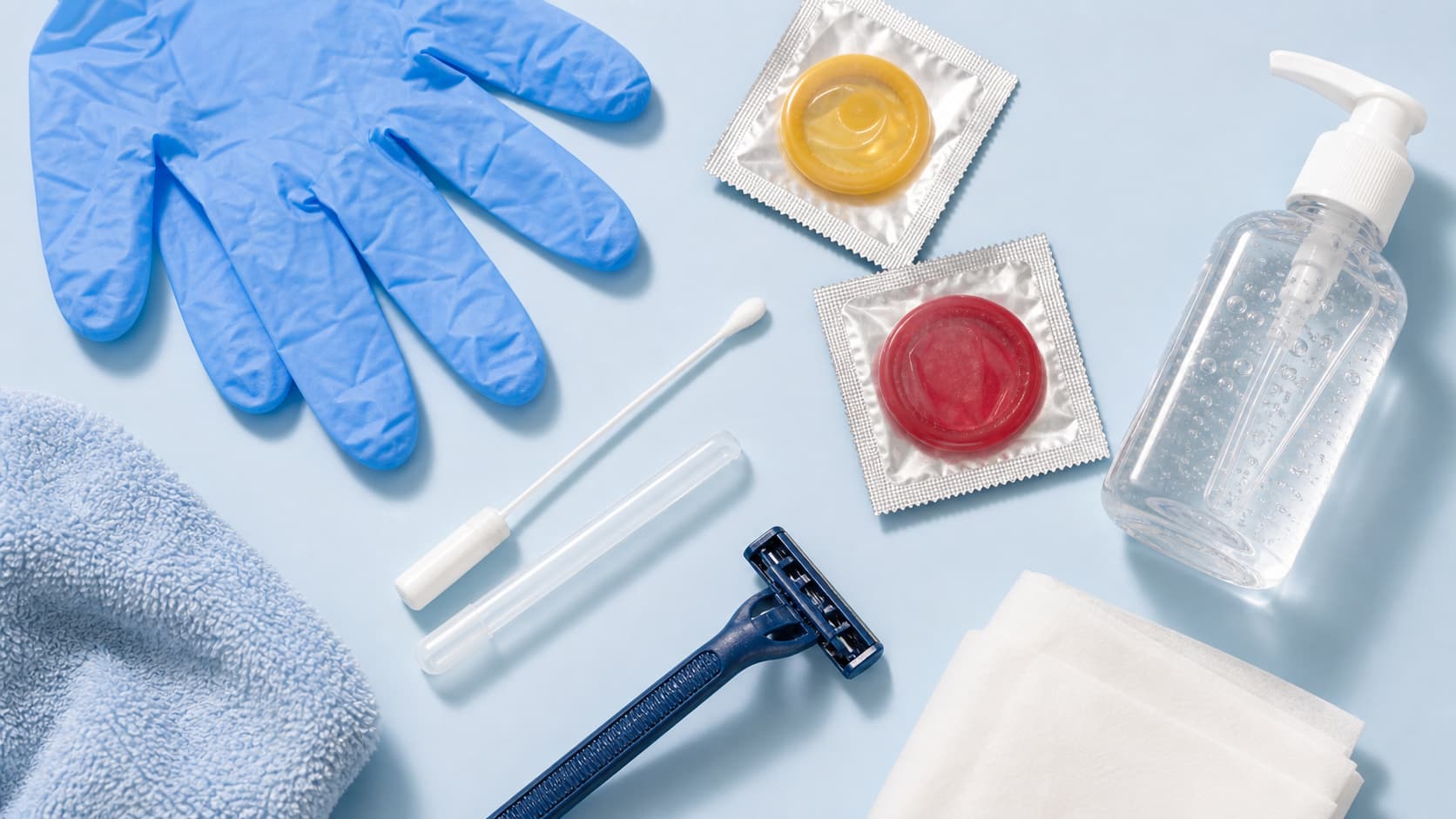
STDs spread through specific contact routes, and knowing these routes is the most practical thing you can do to protect yourself. The short version: most sexually transmitted infections require direct mucous membrane contact, blood-to-blood contact, or skin-to-skin contact with an infected area. They don't spread through casual contact, shared surfaces, or air. But the details within those categories matter, because they're where people make assumptions that turn out to be wrong.
Let me go through each route properly.
Sexual Contact: The Primary Route
The majority of STDs are transmitted through sexual activity involving the genitals, mouth, or rectum. "Sexual contact" covers more than most people assume, and the risk profile differs by activity.
Vaginal sex
Vaginal intercourse is the primary route for chlamydia, gonorrhea, trichomoniasis, syphilis, HIV, and HSV-2. The mucous membranes of the vagina, cervix, and penis are efficient surfaces for pathogen exchange. Even with condoms, there's some residual risk because condoms don't cover all potentially infected skin — particularly relevant for herpes and HPV, which spread through skin contact beyond the area a condom protects.
Anal sex
Anal intercourse carries the highest per-act HIV transmission risk of any sexual activity — significantly higher than vaginal sex — because the rectal mucosa is thin, highly vascular, and prone to microabrasions. Gonorrhea, chlamydia, syphilis, herpes, and HPV all transmit efficiently through anal sex. Rectal infections from chlamydia and gonorrhea are often asymptomatic, which is why rectal swab testing is specifically recommended for people who have receptive anal sex.
Oral sex
This is where patients are often caught off guard. Oral sex can transmit gonorrhea (commonly to the throat), herpes (HSV-1 from mouth to genitals is now a leading cause of genital herpes in young adults), syphilis, and HPV. HIV transmission through oral sex is possible but considered low-risk in most circumstances.
I've seen patients surprised by a gonorrhea diagnosis because they "only had oral sex." Pharyngeal gonorrhea is real, frequently asymptomatic, and not tested for unless you specifically ask or your provider knows to order it.
Skin-to-Skin Contact
Herpes and HPV are categorically different from the bacterial STDs in one important way: they spread through skin-to-skin contact, not just mucous membrane contact. This means genital herpes can be transmitted through genital skin rubbing without penetration, and HPV can spread similarly.
This is why condoms, while valuable, don't eliminate herpes or HPV risk — they reduce it substantially, but they don't cover all of the skin where virus may be present.
Blood-to-Blood Contact
HIV, hepatitis B, and hepatitis C transmit through blood contact. The practical scenarios are:
Sharing needles or injection equipment
Needle-stick injuries (relevant in healthcare settings)
Blood transfusions — extremely low risk in countries with modern blood screening
Mother to infant during birth (also relevant for HIV and hepatitis B)
Mother to Child
Several STDs can be transmitted from a pregnant person to their baby — during pregnancy, during delivery, or through breastfeeding. This is why STD screening is a standard part of prenatal care.
Syphilis can cross the placenta and cause congenital syphilis, which can be devastating
HIV can be transmitted during delivery or breastfeeding
Herpes can be transmitted during a vaginal delivery if the mother has an active outbreak
Gonorrhea and chlamydia can infect the baby's eyes during delivery
What Doesn't Transmit STDs
Patients ask me this regularly, and it's worth being direct: you cannot get chlamydia, gonorrhea, syphilis, or HIV from toilet seats, swimming pools, sharing food, casual skin contact, hugging, or breathing the same air as someone who is infected. These pathogens require specific routes — they don't survive long on surfaces and don't spread through casual contact.
Herpes and HPV are slightly different in that they spread through skin contact, but still require direct contact with the affected skin, not shared objects or surfaces. The virus dies quickly outside the body.
Reducing Your Risk
Consistent condom use, regular STD testing, and communication with partners are the cornerstones of prevention. PrEP (pre-exposure prophylaxis) is highly effective for HIV prevention for people at higher risk. HPV vaccination prevents the strains responsible for the majority of HPV-related cancers and genital warts.
Key Takeaways
Most STDs spread through vaginal, anal, or oral sex — the risk level differs by activity and infection type
Herpes and HPV spread through skin-to-skin contact, not only through penetrative sex — condoms reduce but don't eliminate risk
Blood-to-blood contact transmits HIV, hepatitis B, and hepatitis C
Mother-to-child transmission is possible for several STDs — prenatal screening is important
Casual contact — toilet seats, pools, shared food — does not transmit bacterial STDs or HIV
Frequently Asked Questions
Can you get an STD from oral sex?
Yes. Gonorrhea, herpes (HSV-1), syphilis, and HPV can all be transmitted through oral sex. Pharyngeal (throat) gonorrhea is common and frequently asymptomatic. If you engage in oral sex, your STD testing should include throat swabs for gonorrhea and chlamydia, not just genital testing.
Can you get an STD from kissing?
Herpes (HSV-1) can be transmitted through kissing, particularly when a cold sore is present. Syphilis can theoretically be transmitted through kissing if there's an active sore in or around the mouth. HIV, gonorrhea, chlamydia, and trichomoniasis cannot be transmitted through kissing.
Can you get an STD through a condom?
Condoms significantly reduce the risk of transmission for most STDs when used correctly and consistently. They are highly effective against gonorrhea, chlamydia, and HIV. They provide partial protection against herpes and HPV because those infections can involve skin not covered by a condom. No method is 100 percent effective.
How long does an STD live outside the body?
Most bacterial STDs — chlamydia, gonorrhea, syphilis — die within minutes on surfaces outside the body. HIV is rapidly inactivated outside the body by air and common disinfectants. Herpes survives seconds to a few minutes on surfaces. This is why surface contact (toilet seats, gym equipment) is not a meaningful transmission route for any of these infections.
Related: STDs and kissing · Can you get an STD without sex? · STDs from hot tubs? · Get tested
This article is for informational purposes only and does not constitute medical advice. Consult a qualified healthcare provider for personalized guidance.
Should I Get Tested for STDs?
A quick risk check based on CDC guidelines. Answer 7 questions — no signup, fully anonymous.
Question 1 of 7
When was your last STD test?
This quiz is based on general CDC screening guidelines and is for educational purposes only. It is not a medical assessment. Only a healthcare provider can recommend specific testing.
Don’t Know What Could Be Causing Your Symptoms?
Get the complete STD test panel and take control of your health!


Dr. Michael Thompson is an expert in sexually transmitted diseases with extensive clinical and research experience. He leads campaigns advocating for early diagnosis and prevention of diseases like HIV and gonorrhea. He collaborates with local organizations to educate both youth and adults about sexual health.