Prevention and Education
How Having an STD Increases Your Risk of Getting HIV

The relationship between STDs and HIV is one of the most clinically important connections in sexual health — and one of the least understood by patients. Having an active sexually transmitted infection does not just mean you have two problems at once; it fundamentally changes your vulnerability to HIV by altering the biological barriers that normally limit transmission. This is not a theoretical risk. The data consistently shows that people with untreated STDs are 2 to 5 times more likely to acquire HIV if exposed, depending on the specific infection.
Quick answer: Having an active STD — particularly syphilis, herpes, or gonorrhea — significantly increases your risk of acquiring HIV. STDs cause genital inflammation, open sores, and immune cell recruitment to mucosal surfaces, all of which create more entry points for HIV. Treating STDs promptly and using PrEP if you are at elevated risk are the two most effective strategies for reducing HIV acquisition. Confidential STD and HIV testing: Los Angeles, Houston, Miami, Atlanta, and New York City.
How STDs Create a Biological Gateway for HIV
HIV transmission requires the virus to cross mucosal barriers — the lining of the genital tract, rectum, or oral cavity — and reach CD4+ T cells, its primary target. Intact mucosal surfaces are surprisingly effective barriers. The reason STDs increase HIV risk is that they compromise these barriers through three distinct mechanisms:
Ulcerative STDs break the skin: Syphilis chancres, herpes ulcers, and chancroid lesions create physical breaks in mucosal tissue. These open wounds provide direct access for HIV to reach the bloodstream. Syphilis is the most studied example — primary syphilis chancres are associated with a 2- to 5-fold increase in HIV acquisition risk.
Inflammatory STDs recruit target cells: Chlamydia and gonorrhea cause intense local inflammation even without visible ulcers. This inflammation recruits CD4+ T cells and macrophages — the exact cells HIV needs to infect — to the genital mucosa. More target cells at the site of potential HIV exposure means more opportunities for the virus to establish infection.
Disrupted microbiome lowers defenses: Bacterial vaginosis and trichomoniasis alter the vaginal microbiome, reducing protective Lactobacillus species and increasing the pH of vaginal secretions. This shift reduces the natural antimicrobial environment that normally helps limit HIV viability on mucosal surfaces.
Which STDs Increase HIV Risk the Most?
Syphilis: The strongest documented association. Primary and secondary syphilis increase HIV acquisition risk by approximately 2–5 fold. The mechanism is direct: open chancres provide a portal of entry, and the intense immune response at the ulcer site concentrates HIV target cells. Syphilis also increases HIV viral load in people already living with HIV, making them more infectious to partners.
Herpes (HSV-2): HSV-2 increases HIV acquisition risk by approximately 2–3 fold, and this risk persists even between outbreaks. Subclinical shedding and microscopic epithelial disruption maintain a chronic inflammatory state that facilitates HIV entry. Because HSV-2 is lifelong and extremely prevalent, it is estimated to account for a substantial proportion of new HIV infections globally.
Gonorrhea and chlamydia: Both increase HIV susceptibility through inflammation-mediated mechanisms. Rectal gonorrhea is particularly concerning because the rectal mucosa is already thinner and more vulnerable than vaginal or penile tissue, and gonorrheal inflammation further compromises this already limited barrier.
Trichomoniasis: Often overlooked, trichomoniasis causes mucosal microabrasions and significant inflammation. Studies suggest it increases HIV acquisition risk by approximately 1.5–2 fold.
The Reverse Effect: HIV Makes STDs Worse
The relationship works in both directions. People living with HIV who acquire an STD often experience more severe symptoms, longer duration of infection, higher rates of treatment failure, and increased infectiousness. HIV-positive individuals with untreated syphilis are more likely to progress rapidly to neurosyphilis. Herpes outbreaks in immunocompromised individuals tend to be more frequent, more severe, and longer lasting. Genital inflammation from any STD increases HIV viral shedding in genital secretions, meaning a person with both HIV and an active STD is more likely to transmit HIV to sexual partners.
What This Means for Prevention
Test for STDs regularly — especially if you are at risk for HIV: Treating STDs promptly removes the biological amplifier. The CDC recommends at least annual screening for syphilis, gonorrhea, and chlamydia for men who have sex with men, and more frequently (every 3–6 months) for those with multiple partners.
Consider PrEP: Pre-exposure prophylaxis reduces HIV acquisition risk by over 99% when taken as prescribed. For people who are at ongoing risk of HIV exposure, PrEP provides a pharmacological safety net that works regardless of whether an active STD is present.
Use condoms consistently: Condoms reduce transmission of both HIV and most STDs. They are most effective against fluid-borne infections (HIV, gonorrhea, chlamydia) and less effective against infections spread by skin-to-skin contact (herpes, syphilis, HPV), but they remain a cornerstone of risk reduction.
When to Seek Urgent Care
New genital ulcer or sore in someone at risk for HIV: get same-day HIV and syphilis testing. An open sore in the context of recent sexual exposure represents the highest-risk scenario for HIV acquisition.
Known HIV exposure in the last 72 hours: go to an emergency department immediately for post-exposure prophylaxis (PEP). Every hour matters — PEP is most effective when started within 24 hours.
Diagnosed with syphilis and not recently tested for HIV: request HIV testing at the same visit. Co-infection rates are high enough that simultaneous testing is standard of care.
Frequently Asked Questions
If I treat my STD, does my HIV risk go back to normal?
For curable STDs like syphilis, gonorrhea, and chlamydia, yes — successful treatment resolves the inflammation and mucosal disruption that increased your vulnerability. For herpes, suppressive antiviral therapy reduces but does not eliminate the chronic inflammatory state, so some increased risk persists even with treatment.
Does having an STD mean I have HIV?
No. Having an STD does not mean you have HIV. It means your risk of acquiring HIV is higher if you are exposed. These are separate infections caused by different pathogens. However, because risk factors overlap significantly, anyone diagnosed with an STD should be offered HIV testing as part of standard care.
Can treating STDs in a community reduce HIV rates?
This has been studied extensively. Some large community trials showed modest reductions in HIV incidence through mass STD treatment, while others did not. The current consensus is that individual-level STD treatment is clearly beneficial for the person treated, but population-level HIV prevention requires a combination strategy including PrEP, condom promotion, and rapid HIV treatment (U=U) alongside STD treatment.
Should I take PrEP if I keep getting STDs?
Recurrent STDs are a strong indicator that PrEP should be discussed with your provider. Frequent STDs suggest ongoing exposure patterns where HIV acquisition is a realistic possibility. PrEP is most beneficial precisely for the people whose sexual behavior puts them at repeated risk — it is designed for this scenario.
Related: HIV Prevention and PrEP · The Truth About HIV · Syphilis Guide · Understanding HIV · Get tested today →
Don’t Know What Could Be Causing Your Symptoms?
Get the complete STD test panel and take control of your health!

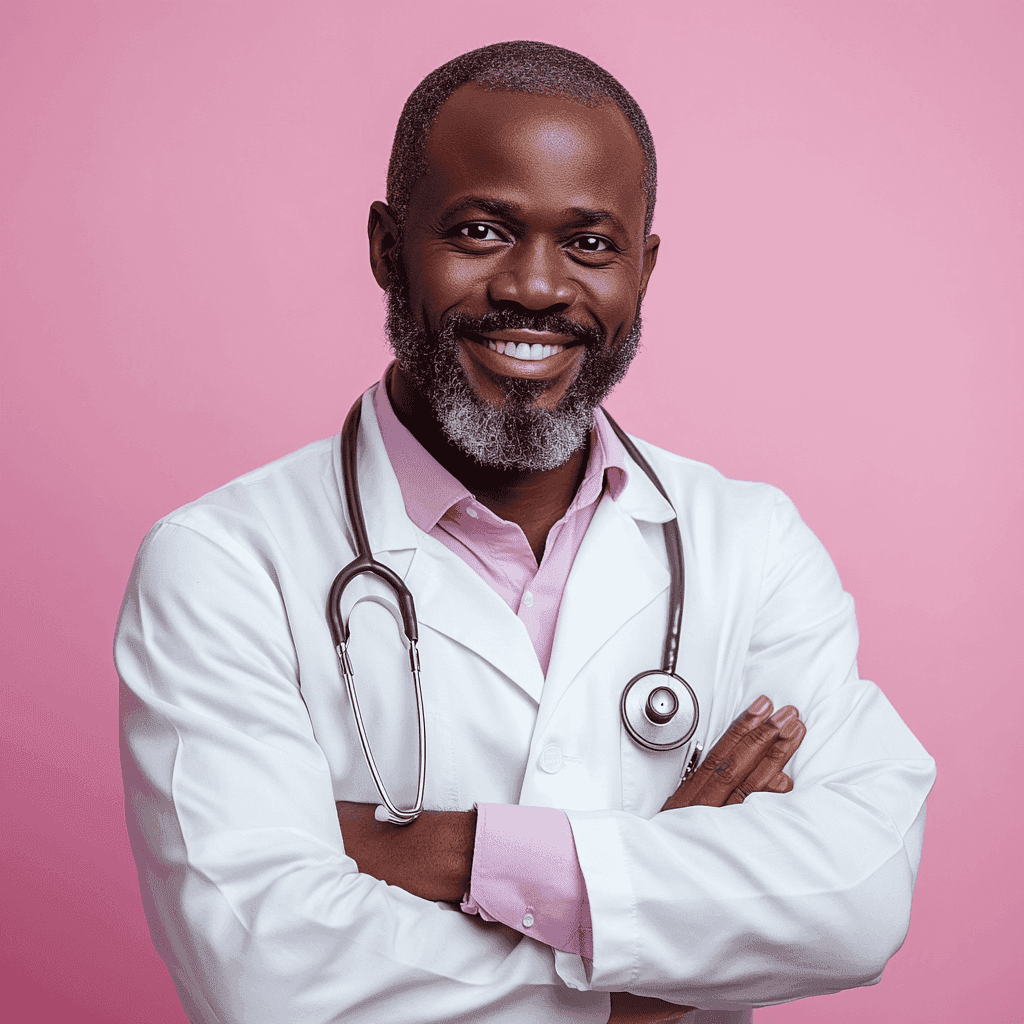
Dr. Michael Thompson is an expert in sexually transmitted diseases with extensive clinical and research experience. He leads campaigns advocating for early diagnosis and prevention of diseases like HIV and gonorrhea. He collaborates with local organizations to educate both youth and adults about sexual health.