Symptoms and Diagnosis
False Positive Chlamydia Test: Why It Happens and What to Do
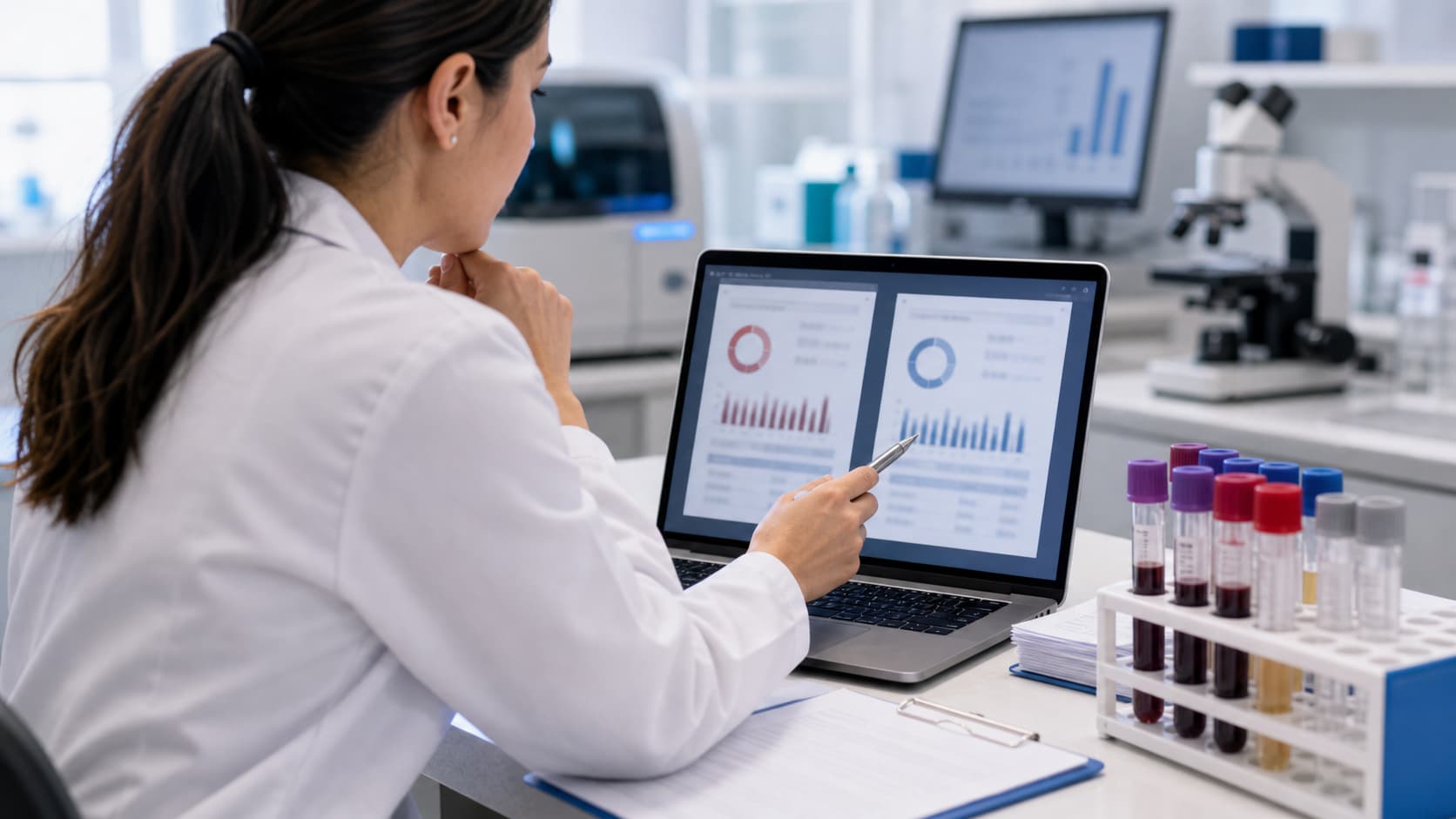
A false positive chlamydia test is rarer than most people assume — but the circumstances under which it occurs are specific and worth understanding. Modern NAAT testing for chlamydia has specificity above 99%, meaning fewer than 1 in 100 negative samples tests positive; the most clinically significant causes of false positives are cross-contamination between specimens, low-prevalence settings where even high-specificity tests produce more false positives relative to true positives, and rare cross-reaction with non-trachomatis Chlamydia species; the old antigen-based tests (Chlamydiazyme) that caused many false positives are no longer in standard use.
Why True False Positives Are Rare With Modern NAAT
The shift from older antigen-detection tests (EIA/Chlamydiazyme) to NAAT in the 1990s and 2000s dramatically reduced false positive rates. The older immunoassay tests had specificity problems — cross-reacting with other organisms and producing false positives, particularly in urine samples. Many published case reports of false positive chlamydia tests reference these older assays. NAAT detects specific Chlamydia trachomatis DNA sequences and has specificity consistently above 99% in clinical validation studies. The absolute false positive rate is very low.
The Positive Predictive Value Problem
Here is the concept that explains why false positives matter more in some populations than others: the positive predictive value (PPV) of any test depends not just on specificity, but on the prevalence of the infection in the tested population. In a population where 10% have chlamydia (high prevalence — e.g., an STD clinic for high-risk individuals): a test with 99% specificity will produce very few false positives relative to true positives. Almost all positives are real. In a population where 0.5% have chlamydia (low prevalence — e.g., routine screening of low-risk individuals): the same 99% specificity test produces nearly as many false positives as true positives. A positive result in a low-prevalence population is much more likely to be a false positive than the same result in a high-prevalence population.
Specific Causes of False Positives
Cross-contamination in the laboratory: specimens processed in close proximity can contaminate each other with target DNA. This is a quality control issue at the lab level, not a fundamental test limitation. Accredited labs have procedures to minimize this. Cross-reaction with non-trachomatis Chlamydia species: Chlamydia pneumoniae (which causes respiratory infections) and Chlamydia psittaci share some DNA sequences with C. trachomatis. Most commercial NAATs are designed to be highly specific to C. trachomatis targets, but theoretical cross-reaction exists. This is more of a concern with research-grade assays than commercial clinical tests. Specimen labeling errors: a positive result from the wrong patient's specimen is technically a false positive for the person tested. This is an administrative rather than analytical error.
When a Positive Chlamydia Result Is Unexpected
If a chlamydia positive result is surprising — no known exposure, no symptoms, low-risk situation — these steps are appropriate: confirm with a second NAAT from a new specimen (repeat testing); ask the lab about the index value or signal strength of the positive (very low-level positives near the detection cutoff are more likely to be borderline or false); consider clinical context. If a result is unexpected enough to significantly impact decisions (relationship, legal implications), requesting confirmatory testing from a different laboratory or using a different commercial NAAT assay is appropriate.
For reliable chlamydia NAAT testing with results in 1 to 2 days, Health Test Express offers panels without a GP referral.
Frequently Asked Questions
Can you test positive for chlamydia without having it?
Yes, but rarely with modern NAAT — false positive rates are below 1%. The more common scenario is a genuine positive that surprises the patient because the infection was asymptomatic or was attributed to another cause.
If both me and my partner test positive but we've been monogamous, could one be a false positive?
It's possible but unlikely. Chlamydia can persist undetected for months to years — a positive result in a "monogamous" couple typically reflects infection brought into the relationship before testing, not a false positive. A genuine false positive in both people simultaneously from the same lab would be extremely unusual.
Should I get a second test to confirm a positive chlamydia result?
In most cases, treatment is the appropriate response to a confirmed NAAT positive. If the result is clinically unexpected or has significant implications, requesting repeat testing from a new specimen is reasonable before treating. Discuss with your provider.
Related: False negative STD test · False positive STD test · Chlamydia window period · Get tested today
This article is for informational purposes only and does not constitute medical advice.
Should I Get Tested for STDs?
A quick risk check based on CDC guidelines. Answer 7 questions — no signup, fully anonymous.
Question 1 of 7
When was your last STD test?
This quiz is based on general CDC screening guidelines and is for educational purposes only. It is not a medical assessment. Only a healthcare provider can recommend specific testing.
Don’t Know What Could Be Causing Your Symptoms?
Get the complete STD test panel and take control of your health!


Dr. Michael Thompson is an expert in sexually transmitted diseases with extensive clinical and research experience. He leads campaigns advocating for early diagnosis and prevention of diseases like HIV and gonorrhea. He collaborates with local organizations to educate both youth and adults about sexual health.