Prevention and Education
Department of Health STD Testing: What It Covers and How to Access It
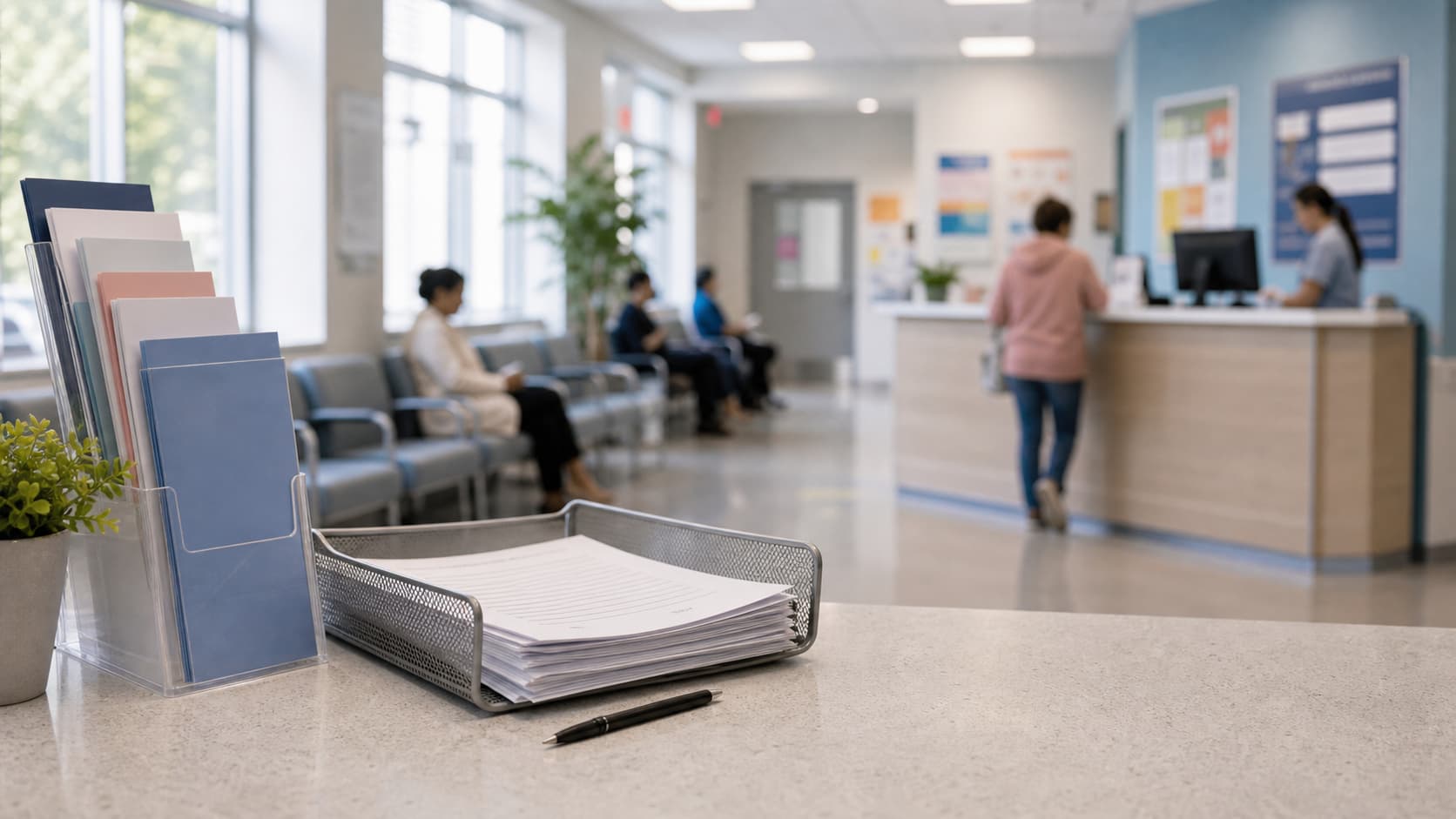
Department of Health STD testing refers to sexual health testing services provided through state, county, or city public health departments — typically free or very low cost and available to all residents regardless of insurance status. Department of Health STD clinics prioritize HIV, syphilis, gonorrhea, and chlamydia testing; services are confidential and in some cases fully anonymous for HIV; wait times and test comprehensiveness vary significantly by jurisdiction; and they are the most accessible option for uninsured patients who need no-cost testing.
What Department of Health STD Testing Offers
Core tests available at most public health STD clinics: HIV (rapid on-site and/or 4th generation lab); syphilis (RPR serology); chlamydia (NAAT); gonorrhea (NAAT). Extended tests at many locations: hepatitis B; hepatitis C; gonorrhea culture (for suspected antibiotic resistance); trichomoniasis. Less commonly available at public clinics: herpes IgG (often not offered as part of routine screening at public clinics); rectal and throat swabs (available at clinics serving MSM populations but may require specific request). Treatment: most public health STD clinics can provide on-site treatment for gonorrhea (ceftriaxone injection), and prescribe or dispense antibiotics for chlamydia, syphilis, and trichomoniasis on positive results. Partner notification assistance: public health departments provide partner notification services (contact tracing) for reportable infections including gonorrhea, chlamydia, syphilis, and HIV.
Finding Your Local Health Department STD Clinic
gettested.cdc.gov: enter zip code for a map of nearby testing sites including public health clinics. Your state health department website: search "[state] STD clinic" or "[state] sexual health clinic." County health department website: many counties list STD clinic hours and locations. Call 1-800-CDC-INFO (1-800-232-4636): the CDC information line can direct you to local resources. Many public health clinics operate on specific days and hours (often fewer than 5 days per week) — confirm hours before visiting.
Confidentiality and Anonymity
Public health STD clinic records are confidential. HIV testing at many public health clinics can be done anonymously — no name, no ID, results linked only to a code number. This is a unique feature of public health HIV programs not available at private labs. Certain STDs are reportable to public health authorities (gonorrhea, chlamydia, syphilis, HIV) — positive results trigger public health reporting, but this is an aggregate surveillance function separate from personal medical records and employer notification.
For fast private STD testing with results in 1 to 2 days and no appointment needed, Health Test Express offers comprehensive panels.
Frequently Asked Questions
Is Department of Health STD testing really free?
At most public health STD clinics, HIV testing is free. Chlamydia, gonorrhea, and syphilis testing may be free or offered at a nominal fee. Some clinics accept Medicaid for billing. Call ahead to ask specifically about current fees — budgets and fee structures change.
Do I need an ID or insurance for Department of Health testing?
For anonymous HIV testing: no ID is required. For other tests: some clinics ask for ID or basic demographics for reporting purposes, but no insurance is required. Undocumented individuals can access public health testing without immigration concern.
Related: Free STD testing near me · STD clinic guide · STD testing near me · Get tested today
This article is for informational purposes only and does not constitute medical advice.
Don’t Know What Could Be Causing Your Symptoms?
Get the complete STD test panel and take control of your health!


Dr. Michael Thompson is an expert in sexually transmitted diseases with extensive clinical and research experience. He leads campaigns advocating for early diagnosis and prevention of diseases like HIV and gonorrhea. He collaborates with local organizations to educate both youth and adults about sexual health.