Myths and Facts
Can You Get an STD Through Artificial Insemination or Sperm Donation?
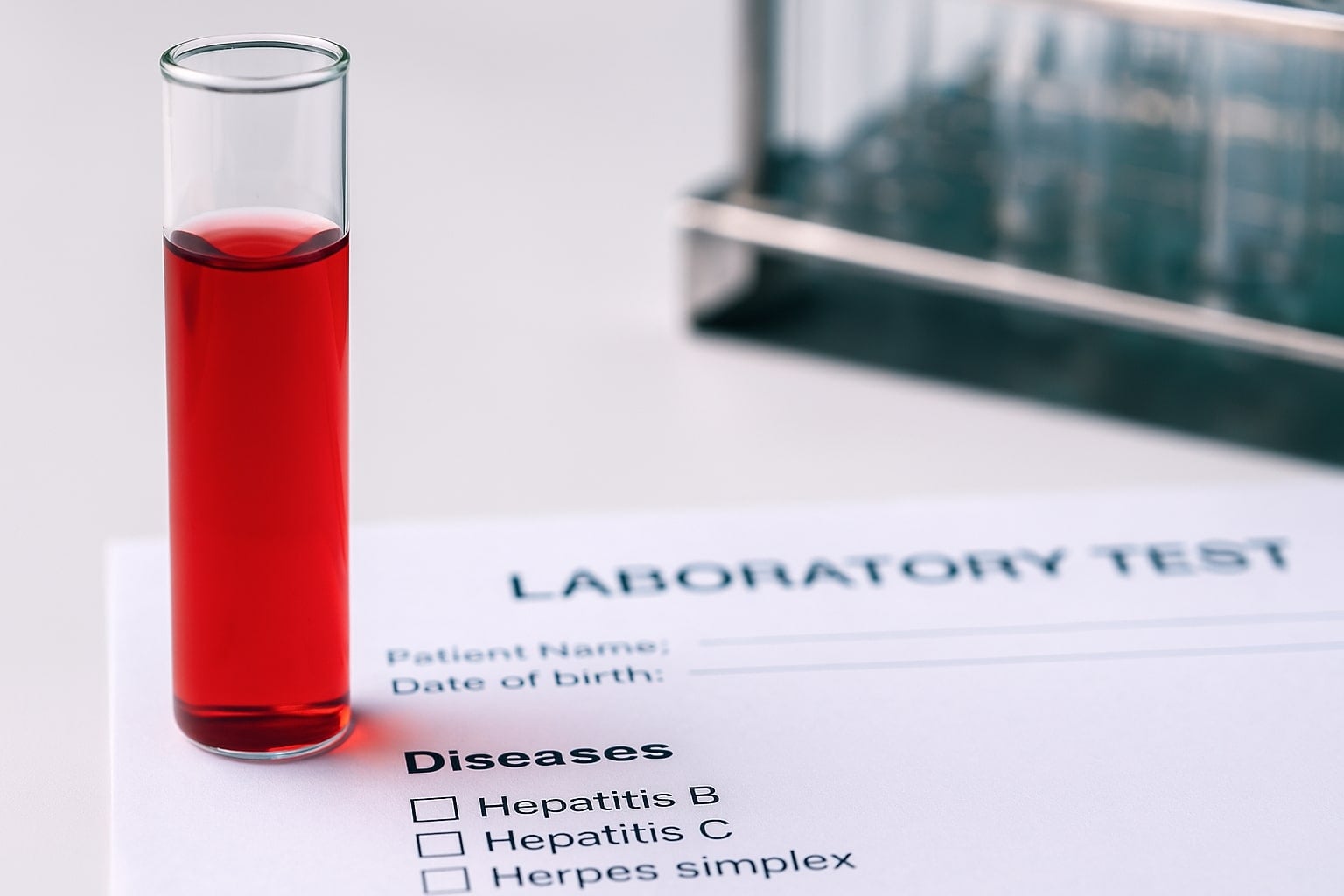
Medically assisted reproduction — including IVF, intrauterine insemination (IUI), and donor sperm or egg donation — carries a very low risk of STD transmission in regulated clinical settings. Reputable fertility clinics and licensed sperm and egg banks screen donors rigorously for HIV, hepatitis B, hepatitis C, chlamydia, gonorrhea, syphilis, and other infections. The risk is not zero, but it is extremely small when proper protocols are followed.
Accredited sperm banks and fertility clinics screen all donors for HIV, hepatitis B/C, chlamydia, gonorrhea, syphilis, and other STDs
Donor sperm is typically quarantined for 6 months and re-tested before release to account for window periods
Unregulated or informal sperm donation carries significantly higher STD risk
Recipients should ask clinics specifically what screening is performed and how recently
Using a partner’s sperm or eggs does not eliminate STD risk if that partner has not been recently tested
How Regulated Fertility Clinics Screen for STDs
In the United States, the FDA requires all sperm and egg donors to be screened for HIV-1 and HIV-2, hepatitis B, hepatitis C, syphilis, chlamydia, gonorrhea, CMV, and HTLV-I/II. Most accredited clinics screen for additional infections beyond the regulatory minimum. Critically, donor sperm is quarantined for a minimum of 180 days and the donor is re-tested before the sample is released for use. This quarantine period accounts for the window periods of HIV and hepatitis — the time between infection and when a test can reliably detect it — which significantly reduces the residual risk.
Egg donors undergo similar screening, though eggs cannot be quarantined the same way as sperm because they cannot be stored for six months without cryopreservation. Eggs are tested at the time of collection, and donors are screened in the months before retrieval.
Embryo donation (donating surplus embryos from IVF) follows comparable protocols at regulated clinics.
The Residual Risk
No screening programme is perfect. The residual risks are similar to those in blood banking: a donor who acquired an infection within the window period of the test may screen negative while actually being infectious. The six-month quarantine for sperm addresses this for HIV and most other tested infections. For egg donors, who cannot be quarantined in the same way, the residual risk is slightly higher but still very small in accredited settings.
Emerging pathogens — infections not yet included in standard screening panels — represent the hardest-to-eliminate risk component, as they have by definition not yet been added to regulatory requirements.
Unregulated and Informal Sperm Donation
The rise of informal sperm donation through social media groups, classified ads, and direct donor-recipient arrangements bypasses the regulatory protections that clinical settings provide. STD screening in these arrangements varies enormously and is often entirely absent. Recipients relying on informal donors are exposed to considerably higher risk than those using licensed clinics or accredited sperm banks. HIV, hepatitis B, hepatitis C, chlamydia, gonorrhea, and herpes have all been documented as transmitted through informal donation. If informal donation is being considered, both parties should undergo comprehensive STD testing immediately before donation, and ideally at a second time point to account for window periods.
Using a Known Partner’s Sperm or Eggs
When assisted reproduction uses the sperm or eggs of a known partner rather than a donor, the STD risk depends entirely on that partner’s infection status. Fertility clinics typically test both partners at the start of a treatment cycle as part of the standard pre-treatment assessment. If your partner has not been recently tested for STDs, they should be — not as a matter of distrust, but because several common STDs are asymptomatic and would not be known about without testing.
Asking the Right Questions at Your Clinic
Prospective recipients should ask their fertility clinic or sperm bank specifically what STD screening is performed on donors, when donors were last screened, whether sperm is quarantined and for how long, how results are communicated if a problem is detected, and what the clinic’s protocols are for managing a positive screening result. Reputable clinics will have clear, documented answers to all of these questions.
Tips for Recipients
Use accredited, regulated fertility clinics and licensed sperm or egg banks — these operate under statutory requirements that informal arrangements do not.
Ask specifically what screening is done and when — do not assume a clinic’s standard protocols are equivalent to regulatory minimums.
Both partners should be tested as part of pre-treatment workup — this is standard practice at reputable clinics and protects both people involved.
If considering informal donation, insist on comprehensive, recent STD testing by both parties — and understand the residual risk that remains even with testing.
Get your own STD test before starting treatment — some STDs can affect implantation and pregnancy outcomes, and identifying and treating them before treatment improves success rates.
Frequently Asked Questions
Is donor sperm from a licensed bank safe from STDs?
Very nearly. Licensed sperm banks screen extensively and quarantine samples for six months before release. The residual risk — from window periods or emerging pathogens not yet on screening panels — is extremely small. No sperm bank can guarantee zero risk, but the risk is comparable to receiving a screened blood transfusion.
Can I get HIV from IVF?
In accredited clinical settings with proper donor screening and quarantine, the risk of HIV transmission through IVF is extremely low. There are no well-documented cases of HIV transmission through IVF at properly regulated clinics in the modern era of nucleic acid testing and mandatory quarantine.
Do fertility clinics test recipients as well as donors?
Yes. Most reputable fertility clinics test recipients for HIV, hepatitis B, hepatitis C, syphilis, chlamydia, and other relevant infections as part of the pre-treatment assessment. This protects both the recipient and any potential pregnancy.
What should I do if I find out I have an STD after starting fertility treatment?
Contact your fertility clinic immediately. Most bacterial STDs (chlamydia, gonorrhea, syphilis) can be treated with antibiotics before treatment proceeds, and treatment significantly improves the chance of a successful outcome. HIV and hepatitis are manageable with appropriate medical support and do not preclude fertility treatment, though they require specific management protocols.
Can herpes affect IVF or pregnancy outcomes?
Active genital herpes at the time of egg retrieval or embryo transfer may pose a risk of infection during the procedure, and active herpes during delivery requires specific management to prevent neonatal herpes. Suppressive antiviral therapy during fertility treatment and pregnancy is generally recommended for women with a history of genital herpes.
Get Tested Before Treatment
Whether you are using donor material or a partner’s sperm or eggs, comprehensive STD testing before starting fertility treatment is sensible, standard, and beneficial. Fast, confidential testing is available at sexual health clinics and online.
Related reading: STDs and Infertility · How STDs Affect Pregnancy · Can You Have an STD With No Symptoms? · Can You Donate Blood If You Have an STD?
Don’t Know What Could Be Causing Your Symptoms?
Get the complete STD test panel and take control of your health!


Dr. Emily Carter is a highly experienced sexologist with a passion for fostering healthy relationships and promoting sexual education. She actively supports the LGBTQ+ community through consultations, workshops, and awareness campaigns. Privately, she conducts research on how sexual education influences social acceptance.