Prevention and Education
Can You Get an STD From Sharing a Razor?
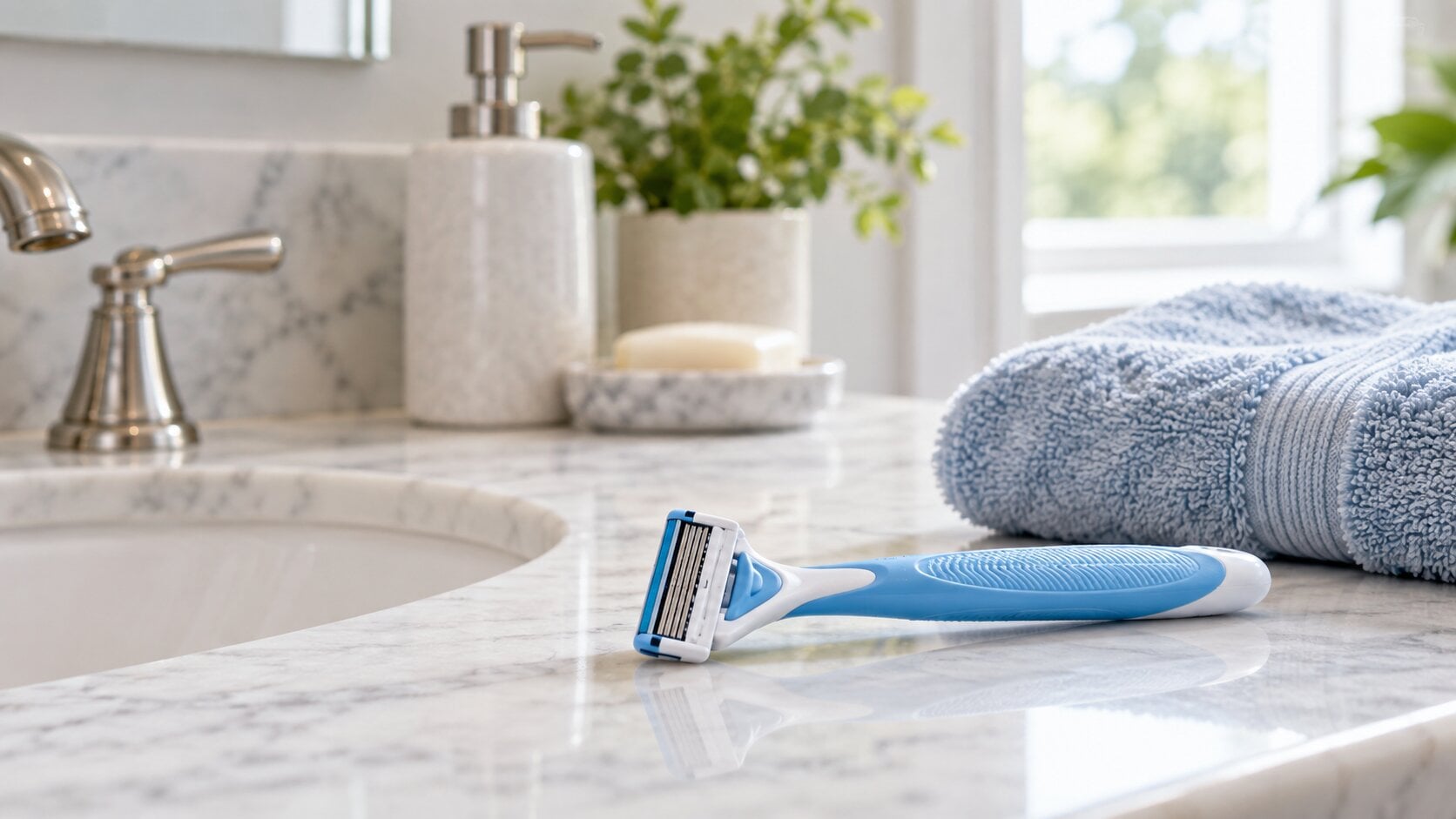
Quick answer: Most STDs can't spread through a razor — but bloodborne infections (hepatitis B, hepatitis C, and, rarely, HIV) theoretically can if a shared razor carries fresh infected blood into a nick or cut. The overall risk is low, and hepatitis B is the main concern because the virus is so hardy. Don't share razors, and get vaccinated for hepatitis B.
Can You Get an STD From Sharing a Razor?
When patients ask me this, I reframe it right away: razors nick skin and pick up traces of blood, so the real question isn't about classic STDs — it's about bloodborne viruses. Chlamydia, gonorrhea, and trichomoniasis don't survive on a razor or spread this way, and herpes needs direct contact with a lesion. The infections that could, in theory, travel on a shared razor are:
Hepatitis B (HBV) — the one I worry about most. HBV is remarkably durable, can survive on a surface for up to 7 days, and needs only a tiny amount of blood to infect someone who isn't vaccinated.
Hepatitis C (HCV) — possible if fresh infected blood reaches a cut, though HCV is less hardy than HBV.
HIV — very low risk. HIV doesn't survive well outside the body, so razor transmission is considered extremely unlikely, though not flatly impossible with fresh blood.
How Big Is the Risk, Really?
For a healthy, vaccinated person, sharing a razor once is unlikely to transmit anything — I don't want anyone losing sleep over a one-off. The risk climbs when the razor has visible fresh blood, both people have cuts or nicks, and the first user has an active bloodborne infection. Since you usually can't know someone's status, my rule is simple: don't share razors, and treat toothbrushes, nail clippers, and anything else that can draw blood the same way.
How to Protect Yourself
Use your own razor and don't lend it out.
Get the hepatitis B vaccine — safe, effective, and it removes the main risk here entirely.
If you shared a razor with someone who has (or might have) hepatitis B or C, or HIV, talk to a provider about testing and, for HBV, possible post-exposure prophylaxis.
The same logic explains why you can't catch most STDs from everyday contact — see whether you can get an STD from sweat or from breast milk.
When Should I Get Tested?
If you had a genuine blood exposure, the timing depends on the infection: hepatitis C around 8–11 weeks, hepatitis B around 6 weeks (confirm at 3 months), and HIV with a 4th-generation test from about 18–45 days. Our hepatitis B window period guide covers the timing.
When to Seek Care
A shared-razor exposure to someone known to have hepatitis B or HIV — see a provider quickly, because PEP is time-sensitive.
Signs of infection such as jaundice, dark urine, or persistent fatigue.
Frequently Asked Questions
Can you get HIV from sharing a razor?
It's possible but very unlikely — HIV doesn't survive long outside the body, and fresh blood entering a cut would be needed.
Which infection is the real risk from razors?
Hepatitis B, because it survives on surfaces and needs only a trace of blood. Vaccination removes that risk.
Is it safe to share a razor with a partner?
I'd advise against it. You can't always know someone's bloodborne-infection status, and hepatitis B is easily transmitted this way.
The Bottom Line
You won't catch chlamydia or gonorrhea from a razor, but bloodborne viruses — hepatitis B above all — are a real, if low, risk when blood is involved. Don't share razors, get the hepatitis B vaccine, and if you've had an exposure, you can get tested.
Last reviewed: September 2026
Medical review: This article is for informational purposes only and does not constitute medical advice. Consult a provider about testing after a possible blood exposure. Guidance is based on CDC hepatitis B information and CDC hepatitis C information.
Don’t Know What Could Be Causing Your Symptoms?
Get the complete STD test panel and take control of your health!


Dr. Michael Thompson is an expert in sexually transmitted diseases with extensive clinical and research experience. He leads campaigns advocating for early diagnosis and prevention of diseases like HIV and gonorrhea. He collaborates with local organizations to educate both youth and adults about sexual health.