Symptoms and Diagnosis
Can STDs Lead to Chronic Skin Conditions?
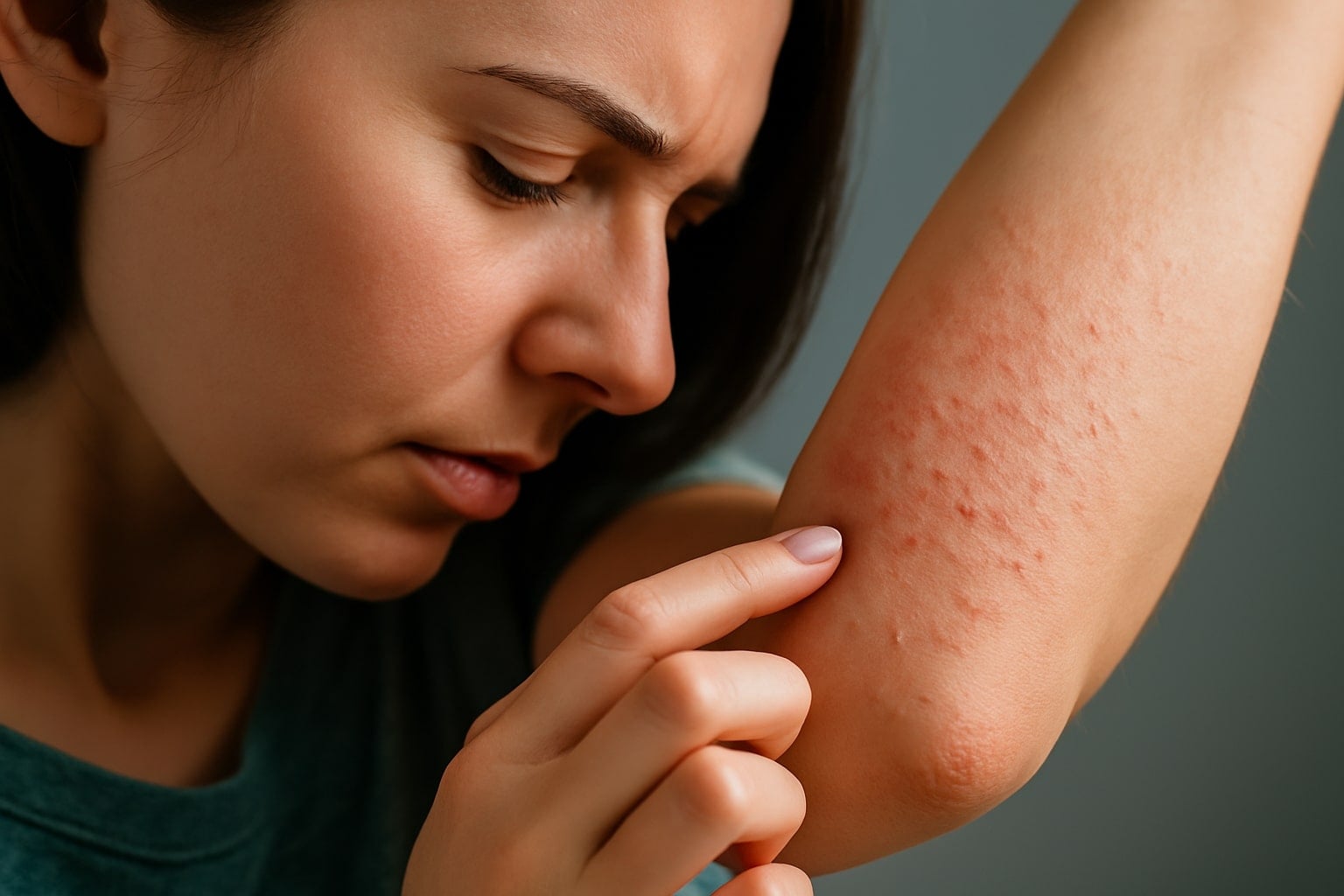
Several STDs can cause chronic skin conditions or trigger dermatological changes that persist long after the acute infection. HPV, syphilis, herpes, and HIV are the most significant contributors — through direct tissue damage, immune dysregulation, and the inflammatory processes they set in motion. In some cases, the skin manifestation is the first sign that an underlying STD is present.
HPV can cause persistent warts and, in rare cases, precancerous skin changes
Syphilis produces a distinctive rash in its secondary stage that can recur with reinfection or relapse
HIV-related immune suppression enables a wide range of opportunistic skin infections and inflammatory conditions
Herpes can cause recurring skin lesions throughout life and, in immunocompromised individuals, extensive and persistent outbreaks
Chronic eczema-like conditions in the genital area can have an infectious cause worth investigating
HPV and Chronic Skin Changes
Human papillomavirus is the most common cause of STD-related skin changes. Low-risk strains (types 6 and 11) produce genital warts — soft, flesh-coloured growths that can persist for months or years and recur after treatment. While not dangerous in themselves, warts can cause significant distress and require repeated treatment to clear.
High-risk HPV strains can cause precancerous changes in cervical, anal, penile, and vulvar skin that are not visible to the naked eye but detectable through Pap smears and biopsies. Bowenoid papulosis — flat, pigmented lesions on the genitals caused by high-risk HPV — is a specific dermatological presentation associated with HPV-16 that requires medical evaluation. Epidermodysplasia verruciformis, a rare condition in which HPV causes widespread wart-like lesions over the body, occurs almost exclusively in people with specific genetic immune deficiencies or in immunocompromised individuals.
Syphilis and the Skin
Syphilis has been called the ‘great imitator’ partly because of its diverse and changeable skin presentations. Primary syphilis produces the chancre — a painless ulcer at the infection site that resolves without treatment. Secondary syphilis produces the most characteristic skin finding: a rough, reddish-brown rash affecting the palms of the hands and soles of the feet, appearing 2–10 weeks after the chancre. This rash can also affect the trunk and face and may be accompanied by condylomata lata — flat, moist wart-like lesions in skin folds — and mucous patches in the mouth.
These secondary syphilis skin manifestations resolve without treatment but leave the infection latent and active. In late syphilis, gummas — soft, tumour-like lesions — can develop in the skin and deeper tissues, causing ulceration and scarring.
Herpes and Recurrent Skin Lesions
Herpes simplex virus establishes permanent latency in sensory nerve ganglia and reactivates periodically as skin and mucosal lesions. For most people with HSV-2, outbreaks become less frequent over time and can be significantly suppressed with daily antiviral therapy. However, for immunocompromised individuals — including those with HIV — herpes can cause extensive, painful, and chronic skin ulcerations that fail to heal in the normal 2–4 week timeframe. In severe immunosuppression, herpes can cause widespread skin involvement resembling a burn.
Herpes zoster — the reactivation of varicella-zoster virus (the chickenpox virus) — while not sexually transmitted, is significantly more common in people with HIV-related immune suppression and produces painful, blistering skin eruptions that can leave permanent scarring and nerve pain (post-herpetic neuralgia).
HIV and the Skin
HIV-related immune suppression produces the widest range of dermatological complications of any STD. In early HIV, seborrhoeic dermatitis — a persistent, scaly, inflamed rash affecting the face, scalp, and chest — is one of the most common skin manifestations and a marker of declining immune function. Eosinophilic folliculitis causes intensely itchy skin papules and pustules, particularly in people with CD4 counts below 250.
Kaposi’s sarcoma — a cancer caused by human herpesvirus 8 — produces distinctive violaceous (purple) skin lesions and was one of the defining presentations of AIDS before effective antiretroviral therapy. Molluscum contagiosum, normally a mild and self-limiting skin infection, can become extensive and disfiguring in people with severely suppressed immune systems. Psoriasis, lichen planus, and other inflammatory skin conditions are also more prevalent and more severe in people with HIV.
Chronic Dermatitis in the Genital Area
Persistent redness, scaling, thickening, or eczema-like changes in the genital area are not always allergic or idiopathic. Chronic HPV infection, recurrent herpes, and secondary syphilis can all present as what appears to be dermatitis. Lichen sclerosus — a chronic inflammatory skin condition causing white, thinning patches in the genital area — has been linked to HPV in some studies. Any persistent genital skin change that does not resolve with standard dermatological treatment warrants investigation for an infectious cause.
Tips for Managing STD-Related Skin Conditions
Do not assume a persistent skin change is allergic or idiopathic — especially in the genital area. Get tested for relevant STDs before concluding the cause is non-infectious.
Treat the underlying infection — HPV warts, syphilis, herpes, and HIV all have effective treatments that reduce skin manifestations significantly.
Consider suppressive antiviral therapy if herpes outbreaks are frequent — daily valaciclovir reduces outbreak frequency by 70–80% and reduces shedding between outbreaks.
Attend regular HIV care — maintaining undetectable viral load prevents the immune suppression that enables the most severe HIV-related skin conditions.
Mention your STD history to any dermatologist you see for persistent skin problems in or near the genital area — the context shapes the differential diagnosis.
Frequently Asked Questions
Can chlamydia or gonorrhea cause skin problems?
Disseminated gonococcal infection (DGI) — a rare complication of untreated gonorrhea in which the bacteria spread through the bloodstream — can cause a characteristic skin rash of small, painful pustules on a red base, typically on the arms and legs. Chlamydia does not typically cause skin manifestations, though reactive arthritis (Reiter’s syndrome), which can follow chlamydial infection, is sometimes associated with keratoderma blennorrhagica — a psoriasis-like skin condition on the palms and soles.
Are genital warts the same as the skin changes caused by high-risk HPV?
No. Genital warts are caused by low-risk HPV strains (types 6 and 11) and are not precancerous. The skin changes caused by high-risk HPV strains (types 16 and 18) are not visible as warts — they appear as microscopic cellular changes detectable by Pap smear or biopsy. Having genital warts does not mean you have high-risk HPV, and vice versa.
Can herpes cause permanent skin scarring?
In immunocompetent adults, herpes outbreaks typically heal without scarring because they affect the surface layers of skin and mucosa. In immunocompromised individuals or in very severe primary outbreaks, deeper tissue involvement can occur and scarring is possible. Post-inflammatory hyperpigmentation (darkening of skin after inflammation) can persist for months after outbreaks in people with darker skin tones.
If I treat an STD, will the skin condition resolve?
It depends on the condition. Syphilis rash resolves with penicillin treatment. Gonorrhea-related skin manifestations resolve with antibiotic treatment. Herpes outbreaks resolve between recurrences, and suppressive therapy reduces their frequency. HPV warts can be treated but the virus may persist. HIV-related skin conditions improve significantly with effective antiretroviral therapy that restores immune function.
What is the connection between STDs and psoriasis?
HIV is associated with both triggering and worsening psoriasis, likely through immune dysregulation. Some cases of psoriasis-like skin disease following STD exposure represent reactive arthritis (which can include skin manifestations) rather than psoriasis proper. If psoriasis appears or worsens significantly, and you have risk factors for HIV, testing is warranted.
Get Tested Today
Persistent or unexplained skin changes in the genital area, or anywhere else if you have risk factors for HIV or syphilis, warrant STD testing as part of the investigation. Fast, confidential testing is available at sexual health clinics and online.
Related reading: What Does an STD Rash Look Like? · STDs and Skin Health · STD Symptoms Beyond the Genitals · Can You Have an STD With No Symptoms?
Don’t Know What Could Be Causing Your Symptoms?
Get the complete STD test panel and take control of your health!


Dr. Michael Thompson is an expert in sexually transmitted diseases with extensive clinical and research experience. He leads campaigns advocating for early diagnosis and prevention of diseases like HIV and gonorrhea. He collaborates with local organizations to educate both youth and adults about sexual health.