Symptoms and Diagnosis
Can STDs Cause Hair Loss? What Syphilis and Other Infections Do to Your Hair
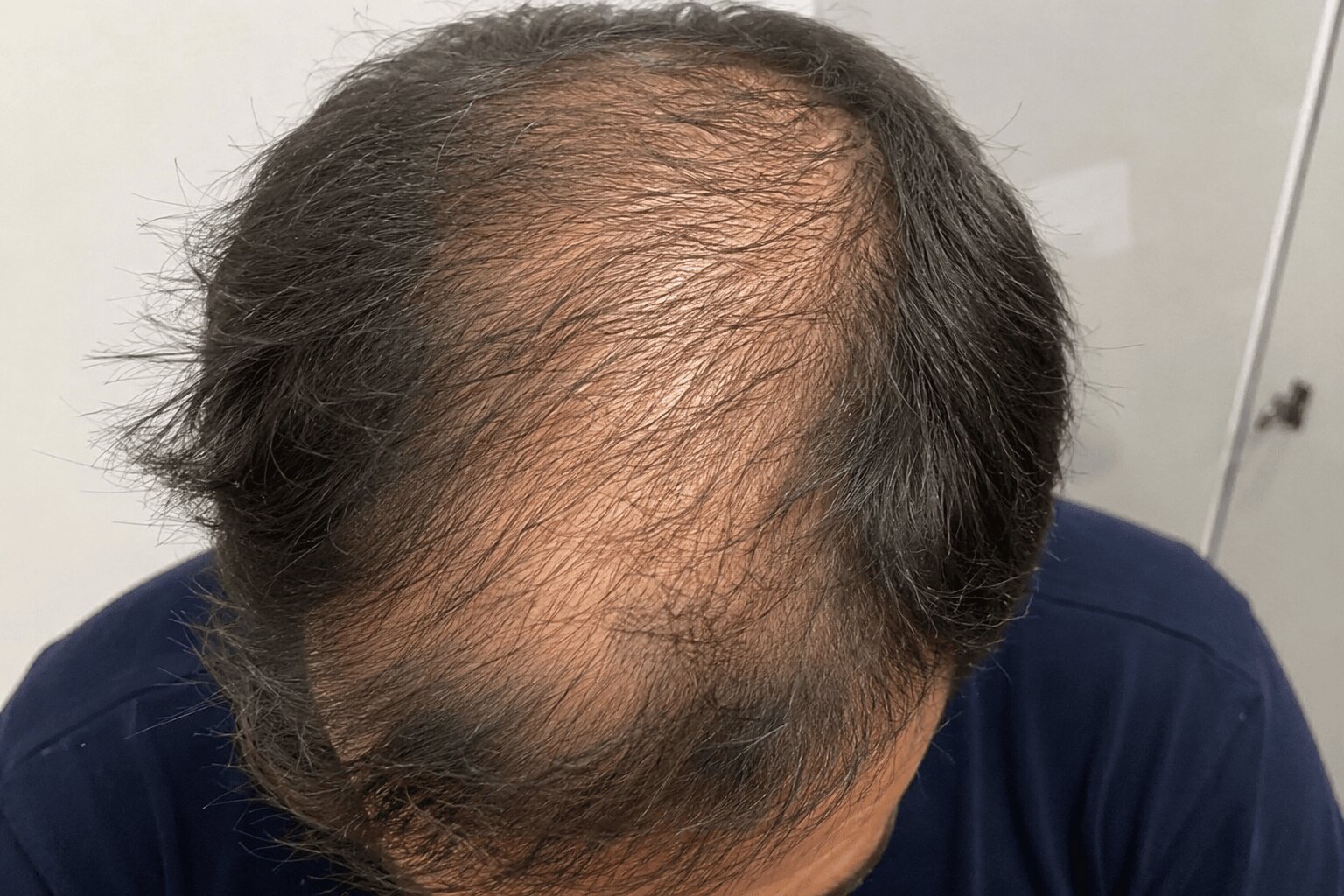
If you're experiencing hair loss and wondering whether an STD could be responsible, here's the direct answer: yes — syphilis in its secondary stage can cause distinctive patchy hair loss, and late-stage HIV can cause hair thinning through immune suppression. These are real and recognizable patterns, but they're rarely the only symptom.
Syphilis and Hair Loss
Secondary syphilis — which develops 2 to 10 weeks after the primary sore heals — can cause a distinctive type of hair loss called moth-eaten alopecia. It appears as irregular, patchy thinning across the scalp, eyebrows, eyelashes, and beard. Unlike most alopecia, it follows no particular distribution pattern, giving a randomly patchy appearance.
Moth-eaten alopecia from secondary syphilis is not caused by the bacteria directly attacking hair follicles — it's caused by the systemic inflammatory response of secondary syphilis affecting hair growth cycles. It's fully reversible with antibiotic treatment. In most cases, hair regrows completely within a few months of treating the syphilis.
The important clinical point: syphilis hair loss almost never appears in isolation. It's accompanied by other secondary syphilis signs: the characteristic rash on palms and soles, flu-like symptoms, swollen lymph nodes, and often mouth sores. If you have patchy hair loss without any of these other symptoms, syphilis is a less likely explanation. If you have hair loss alongside these symptoms and a recent potential syphilis exposure, testing is urgent.
I occasionally see patients who come in for the hair loss before they've noticed the rash. Once I see the full picture — patchy loss, palmar rash, lymphadenopathy — secondary syphilis is a clear clinical diagnosis that gets confirmed by bloodwork the same day.
HIV and Hair Loss
HIV itself does not directly cause hair loss in early or treated infection. However, two mechanisms create hair loss in the context of HIV:
Late-stage HIV with significant immune suppression can cause general hair thinning through nutritional deficiencies and the metabolic effects of chronic immune activation. This is less common now with widespread access to ART.
Some antiretroviral medications, particularly older regimens, are associated with hair thinning. If you're on ART and experiencing hair loss, discuss this with your HIV care provider — medication adjustment may be possible.
Other STD Connections
No other common STDs directly cause hair loss as a primary symptom. Hair thinning associated with general illness, nutritional deficiency, or stress can occur during or after any significant infection, but this is a non-specific response rather than a characteristic STD symptom.
When to Test
If you have unexplained patchy hair loss — particularly alongside a rash, flu-like symptoms, or lymph node swelling — and a potential syphilis exposure, get a syphilis blood test. The two-step RPR and confirmatory treponemal test will confirm or rule out syphilis definitively. For comprehensive STD testing, Health Test Express offers panels with results in 1 to 2 days.
Frequently Asked Questions
Can chlamydia or gonorrhea cause hair loss?
No. Chlamydia and gonorrhea don't cause hair loss. If you're experiencing hair loss alongside urinary or discharge symptoms, those are separate concerns — but hair loss is not a feature of either infection.
Is syphilis hair loss permanent?
No. Moth-eaten alopecia from secondary syphilis is fully reversible with antibiotic treatment. Hair typically regrows within months of clearing the infection.
What kind of hair loss does syphilis cause?
Patchy, moth-eaten alopecia — irregular patches of thinning distributed randomly across the scalp, eyebrows, eyelashes, and beard. It looks different from pattern baldness or alopecia areata.
Related: Syphilis symptoms · STD rash guide · STD symptoms in men · Get tested today
This article is for informational purposes only and does not constitute medical advice.
Don’t Know What Could Be Causing Your Symptoms?
Get the complete STD test panel and take control of your health!


Dr. Michael Thompson is an expert in sexually transmitted diseases with extensive clinical and research experience. He leads campaigns advocating for early diagnosis and prevention of diseases like HIV and gonorrhea. He collaborates with local organizations to educate both youth and adults about sexual health.