Myths and Facts
Can STDs Be Spread Through Sharing Sex Toys? What You Should Know
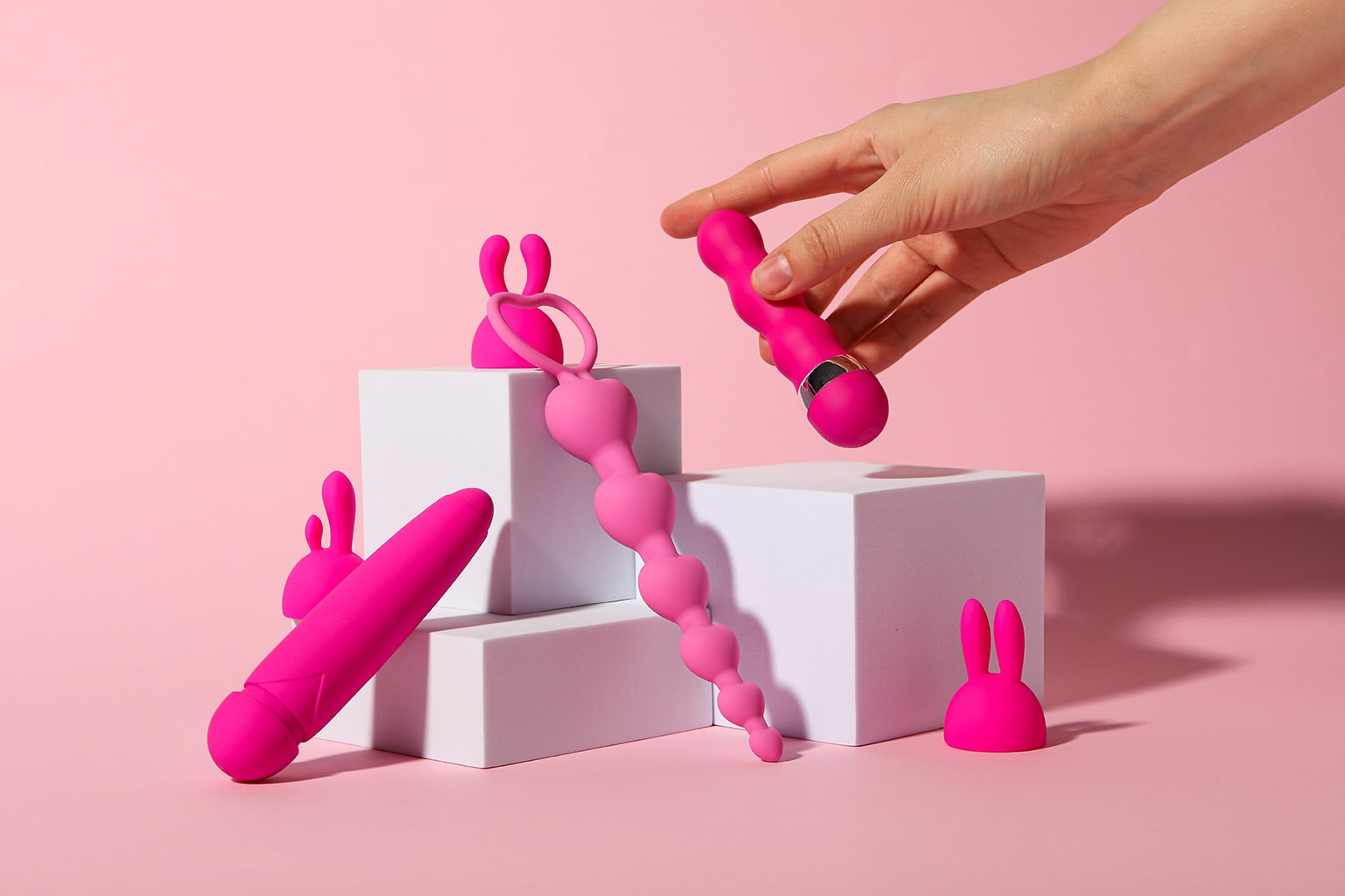
Yes — STDs can be transmitted through shared sex toys if the toys are not properly cleaned or protected between uses. The risk depends on the type of infection, the material the toy is made from, and how quickly it is used after the previous person. Understanding exactly which infections are transmissible and how to prevent transmission allows for informed, practical risk reduction.
Chlamydia, gonorrhea, and trichomoniasis can survive on toy surfaces in bodily fluids for minutes to hours
Herpes and HPV can transmit through direct surface contact with infected skin or secretions
HIV survives very briefly on surfaces and poses a very low risk via sex toys compared to direct sexual contact
Porous toy materials (rubber, jelly, latex) harbour pathogens and cannot be fully disinfected — non-porous materials (silicone, stainless steel, glass) can
Using a new condom on a toy between users eliminates most transmission risk
Which STDs Can Transmit via Sex Toys?
Bacterial infections: chlamydia, gonorrhea, syphilis
Bacterial STDs are transmitted through infected bodily fluids. Chlamydia and gonorrhea survive in vaginal or rectal secretions on surfaces for varying periods — typically minutes to a few hours under warm, moist conditions. A toy used by an infected person and immediately used by another without cleaning carries a genuine transmission risk for these infections. Syphilis — caused by Treponema pallidum — is extremely fragile outside the body and dies within minutes; transmission via shared toys is theoretically possible but very unlikely given how rapidly the bacteria degrades.
Viral infections: herpes, HPV, HIV
Herpes simplex virus can survive on surfaces for a few hours under ideal conditions. A toy with active herpetic secretions on it used soon afterwards by another person carries a meaningful transmission risk. HPV is present in infected epithelial cells and secretions; surface transmission through shared toys has been documented, particularly for HPV strains causing genital warts. HIV is fragile outside the body and degrades rapidly once exposed to air; while it can theoretically survive briefly on surfaces, transmission via sex toys is considered very low risk compared to direct sexual contact — particularly because the concentration of virus present on a toy surface is likely to be far below what is needed for transmission.
Parasitic infections: trichomoniasis
Trichomonas vaginalis can survive on moist surfaces for up to 45 minutes. Sharing a toy shortly after use by an infected person, without cleaning, carries a real risk of trichomoniasis transmission. This is one of the more transmissible infections via this route.
Toy Material Matters
The material a sex toy is made from significantly affects how thoroughly it can be cleaned and therefore the residual transmission risk.
Non-porous materials — low residual risk when properly cleaned
100% medical-grade silicone, borosilicate glass, and stainless steel are non-porous. They have no microscopic pores in which pathogens can hide. These materials can be properly disinfected by boiling (silicone and glass), dishwasher cleaning without soap (silicone and glass), or wiping with isopropyl alcohol or medical-grade disinfectant (all three). After proper disinfection, residual pathogen risk is negligible.
Porous materials — higher residual risk, cannot be fully disinfected
Rubber, jelly, latex blends, cyberskin, and similar materials are porous. Microscopic pores can trap bodily fluids, bacteria, and viruses even after surface cleaning. These materials cannot be fully disinfected, and pathogens that have penetrated the pores can be released during subsequent use. Porous toys should never be shared without a condom covering, and even with a condom, the risk is not zero because the toy may contaminate the exterior of the condom during use.
How to Reduce Risk When Sharing Toys
Use a new condom between users
Placing a condom over a toy before use and removing and replacing it before the next person uses it eliminates most surface transmission risk. The condom acts as a physical barrier between the toy surface and the next user’s tissue. This approach is effective regardless of toy material and is the simplest risk reduction measure.
Clean and disinfect between uses
For non-porous toys: wash with warm water and mild soap, then disinfect with an appropriate method for the material (boiling, dishwasher, or alcohol wipe). Allow to dry completely before next use. For porous toys: surface cleaning with soap and water removes surface contamination but cannot guarantee disinfection of subsurface pores. Use a fresh condom in addition to cleaning.
Consider dedicated toys
The simplest approach to eliminating shared toy STD risk is for each person to have their own toys not shared with others. Where sharing is desired, the condom plus cleaning approach provides meaningful risk reduction.
Special Considerations
Anal toys and STD risk
Rectal mucosa is more susceptible to STD transmission than vaginal tissue due to thinner tissue and less natural lubrication. Toys used anally carry a higher risk of transmitting rectal gonorrhea, chlamydia, and HIV if shared without protection. Using condoms on anal toys shared between partners is particularly important.
Vibrators and internal toys
Internal toys that come into direct contact with vaginal or rectal mucosa have the highest transmission potential. External vibrators used only on external skin with no internal use carry substantially lower risk.
Tips
Use a new condom on the toy for each person — this is the most reliable single measure for preventing toy-mediated STD transmission.
Choose non-porous materials — silicone, glass, and stainless steel can be properly disinfected; porous materials cannot.
Clean toys immediately after use — do not allow fluids to dry on the surface, which makes cleaning less effective.
Do not share toys between different anatomical sites without cleaning — using an anal toy vaginally without cleaning between uses can introduce rectal bacteria to the vagina, causing infection independent of STD transmission.
Use water-based lubricant with silicone toys — silicone-based lubricants can degrade silicone toy surfaces over time, making them more porous and harder to clean.
Frequently Asked Questions
How long do STD pathogens survive on sex toy surfaces?
It depends on the pathogen and environmental conditions. Trichomoniasis: up to 45 minutes on moist surfaces. Chlamydia and gonorrhea: minutes to a few hours in bodily fluids on surfaces. Herpes: up to a few hours on damp surfaces. HIV: degrades rapidly, typically within minutes to hours on dry surfaces. Bacterial STDs survive longer in moist, warm conditions than in dry, cool ones.
Is it safe to share a toy with a condom if one partner has herpes?
A condom significantly reduces but does not completely eliminate herpes transmission risk from shared toys, because herpes can shed from skin areas not covered by the condom and because HSV can potentially survive on the exterior of the condom during use. The risk is low with a fresh condom but is not zero. Separate toys are the safest option.
Can I transmit an STD to myself by using a toy on different body parts?
Yes. Using an anal toy vaginally without cleaning can introduce rectal bacteria (including E. coli and potentially gonorrhea or chlamydia) to the vagina or urethra. Using a toy orally after genital or anal use can inoculate the throat with bacteria or viruses from those sites. Clean between uses on different anatomical sites even when not sharing with another person.
Do toy cleaning sprays or wipes actually work?
Toy cleaning sprays and wipes marketed specifically for sex toys have varying effectiveness. Products containing benzalkonium chloride or isopropyl alcohol at appropriate concentrations have documented antimicrobial activity. Soap and water is effective for surface cleaning of most pathogens. For non-porous toys where thorough disinfection is needed, boiling or dishwasher cleaning is more reliable than sprays alone.
Should I get tested after sharing a sex toy without protection?
If a toy was shared without a condom or cleaning between users, and there is any possibility that the other person has an STD, getting tested for chlamydia, gonorrhea, trichomoniasis, and herpes is sensible. Wait for the appropriate window periods — 1–2 weeks for bacterial infections, longer for herpes antibodies.
Get Tested If Unsure
If you have shared a toy without adequate protection and have any concern about potential STD transmission, testing is the straightforward resolution. Fast, confidential testing is available at sexual health clinics and online.
Related reading: Can You Get an STD from Sharing Clothes or Towels? · Can You Get an STD from Sharing Drinks? · How Often Should You Get Tested? · Can You Have an STD With No Symptoms?
Don’t Know What Could Be Causing Your Symptoms?
Get the complete STD test panel and take control of your health!


Dr. Emily Carter is a highly experienced sexologist with a passion for fostering healthy relationships and promoting sexual education. She actively supports the LGBTQ+ community through consultations, workshops, and awareness campaigns. Privately, she conducts research on how sexual education influences social acceptance.